A strong concrete foundation is the backbone of every safe and durable home or commercial building. It supports the entire structure, distributes weight evenly, and helps maintain stability for years to come. When a foundation is in good condition, it keeps floors level, walls straight, and doors and windows functioning properly. However, when foundation problems begin to develop, they can quickly affect every part of the property.
Many property owners overlook early warning signs because they seem minor or cosmetic. A small crack in a wall or a sticking door may not appear serious at first, but these issues can often indicate that the foundation is shifting or settling. If left untreated, what starts as a small repair can turn into extensive structural damage requiring significant time and money to fix.
In this guide, you’ll learn why your concrete foundation is so important, the most common warning signs that require immediate attention, the leading causes of foundation damage, why delaying repairs can be costly, how professional contractors solve foundation problems, and practical maintenance tips to help extend the life of your foundation.
Why Your Concrete Foundation Matters
The foundation is one of the most important structural components of any building. Everything above it depends on its strength and stability. Whether it’s a residential home, office building, warehouse, or retail property.
Working with an experienced residential foundation contractor helps ensure your foundation is properly constructed, maintained, and repaired to provide long-term structural integrity and peace of mind.
The Role of a Strong Foundation in Structural Stability
A properly constructed concrete foundation distributes the building’s weight evenly across the soil beneath it. This balanced support prevents excessive settling, shifting, and structural movement that could compromise the building’s integrity.
A strong foundation also helps maintain the alignment of walls, floors, roofs, windows, and doors. When the foundation remains stable, the rest of the structure performs as intended, minimizing maintenance issues and preserving the property’s value.
Modern concrete foundations are designed to withstand significant loads and environmental conditions. However, even the highest-quality concrete can experience problems if external factors begin affecting the soil or the structure itself.
Common Causes of Foundation Damage
Foundation problems often develop gradually rather than suddenly. Several factors can contribute to damage over time, including shifting soil, poor drainage, tree root growth, weather changes, improper construction techniques, and natural aging.
These conditions may cause the foundation to settle unevenly, develop cracks, or lose structural support. In many cases, multiple factors work together to create increasingly serious problems. Understanding these causes helps property owners recognize why regular inspections and maintenance are essential.
Why Early Detection Is Important
Early detection is one of the most effective ways to minimize repair costs. Small foundation issues can often be corrected using relatively simple repair methods before they develop into major structural concerns.
When repairs are delayed, damage may spread to walls, flooring, plumbing systems, roofing components, and exterior finishes. Early intervention not only reduces repair expenses but also minimizes disruption to daily life or business operations.
The sooner a qualified concrete foundation contractor evaluates the problem, the more options are typically available for effective repair.
Top Signs You Need a Concrete Foundation Contractor Immediately
Recognizing foundation problems early can help prevent costly structural damage. While not every crack or cosmetic imperfection indicates a serious issue, certain warning signs should never be ignored.
Large Cracks in Foundation Walls
Foundation wall cracks are among the most obvious signs of structural movement. Small hairline cracks are often a normal part of concrete curing and minor settlement. However, large, widening, horizontal, or stair-step cracks may indicate significant foundation movement that requires immediate professional evaluation.
Horizontal cracks are particularly concerning because they often suggest excessive soil pressure pushing against foundation walls. If cracks continue expanding or allow water to enter the structure, repairs should not be delayed.
Uneven or Sloping Floors
Floors that suddenly become uneven or develop noticeable slopes often signal foundation settlement. As portions of the foundation sink or shift, the flooring above loses its level support. You may notice furniture leaning, rolling objects moving across the floor, or soft spots developing beneath certain areas.
Uneven flooring not only affects comfort but may also indicate deeper structural movement that requires professional attention.
Doors and Windows That Stick or Won’t Close Properly
Doors and windows are designed to operate within square openings. When a foundation shifts, those openings may become distorted, making doors difficult to open or close. Windows may stick, fail to lock properly, or develop visible gaps around the frame.
Although humidity can occasionally cause similar issues, widespread sticking doors and windows throughout the building often point toward foundation movement.
Cracks in Interior Walls and Ceilings
Interior drywall and plaster frequently reveal early signs of foundation problems. Look for diagonal cracks extending from door or window corners, widening ceiling cracks, or drywall joints that separate over time.
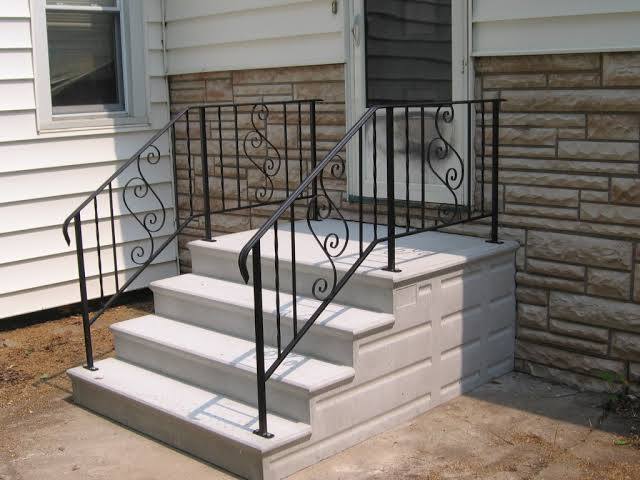
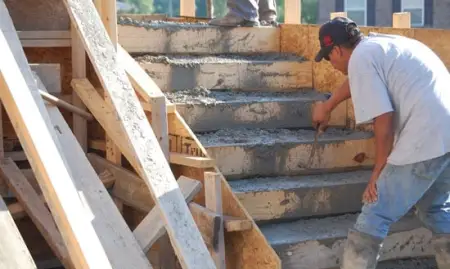
If you’re also planning a concrete stairs installation as part of a renovation or exterior upgrade, it’s especially important to ensure the underlying foundation is structurally sound before construction begins.
While small cosmetic cracks can occur naturally as buildings settle, recurring or expanding cracks should always be evaluated by a foundation professional to prevent more serious structural issues.
Water Seepage or Moisture in the Basement
Water intrusion around the foundation should never be ignored. Moisture entering through foundation walls may indicate structural cracks, drainage failures, hydrostatic pressure, or deteriorating waterproofing systems.
Persistent basement moisture increases the risk of mold growth, wood rot, unpleasant odors, and long-term structural deterioration. Professional contractors can identify whether foundation movement is contributing to water infiltration.
Gaps Around Windows, Doors, or Exterior Walls
Visible gaps between walls and window or door frames often indicate structural shifting. Exterior siding, trim, brick veneer, or stucco may also separate as the building moves.
These gaps allow moisture, pests, and outside air to enter the building while signaling that structural alignment may be changing.
Sinking, Settling, or Shifting Foundation
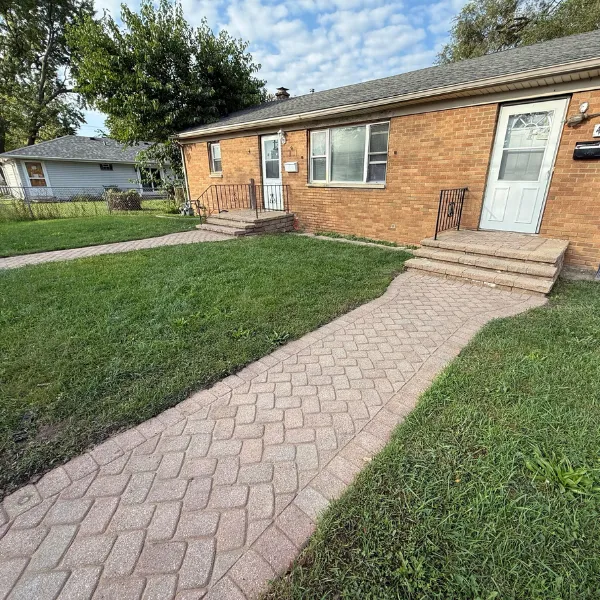
One of the clearest warning signs is visible foundation settlement. You may notice sections of the building appearing lower than others, exterior steps pulling away from the house, or porches separating from the main structure.
Foundation settlement should always be inspected promptly because continued movement can compromise the building’s structural integrity.
Exterior Brick or Concrete Cracks
Exterior masonry often reflects foundation movement before interior damage becomes severe. Watch for stair-step cracks in brick walls, widening concrete cracks, separated mortar joints, or visibly shifted masonry.
These signs frequently indicate differential settlement that requires professional diagnosis and repair.
What Causes Concrete Foundation Problems?
Understanding what causes foundation damage helps property owners reduce risks and recognize potential problems before they become severe.
Poor Soil Conditions
The soil beneath a building plays a major role in foundation performance. Expansive clay soils shrink during dry periods and swell after heavy rainfall. This repeated movement places constant stress on the foundation.
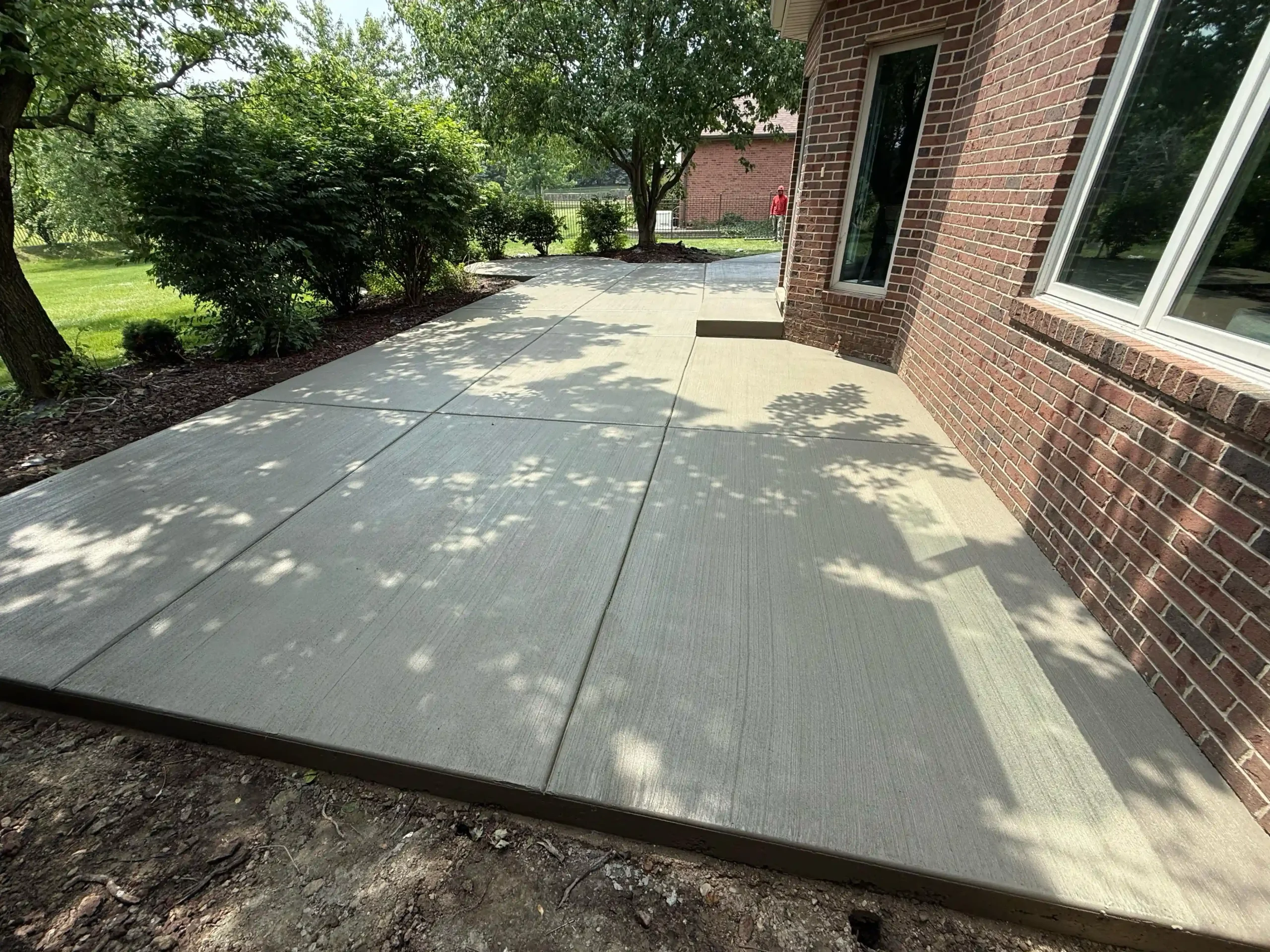
Loose or poorly compacted soil may also settle unevenly, causing portions of the foundation to sink over time. Professional site preparation by experienced contractors like Black Horse Construction significantly reduces these risks during construction, helping ensure a stable and long-lasting foundation.
Improper Drainage Around the Property
Water is one of the leading causes of foundation damage. Poor grading, clogged gutters, leaking downspouts, and improper drainage systems allow excessive water to accumulate around the foundation.
Over time, saturated soil expands, increases hydrostatic pressure, and weakens structural support beneath the foundation. Proper drainage directs water safely away from the building and helps maintain stable soil conditions.
Tree Roots Affecting the Foundation
Large trees located near buildings can contribute to foundation movement. Tree roots absorb significant amounts of moisture from surrounding soil, causing the ground to dry and shrink unevenly.
Some root systems may also exert pressure directly against foundation walls or underground utilities. Careful landscape planning helps reduce these risks.
Freeze-Thaw Cycles and Weather Changes
Regions experiencing freezing temperatures face unique foundation challenges. Water trapped within soil expands when frozen and contracts during thawing. These repeated freeze-thaw cycles gradually shift soil and increase stress on concrete foundations.
Even warmer climates experience seasonal moisture changes that influence soil movement. Weather-related expansion and contraction can contribute to cracking over time.
Poor Construction Practices
Not all foundation problems develop years after construction. Improper soil preparation, inadequate reinforcement, incorrect concrete mix designs, insufficient curing, or poor workmanship may result in premature structural issues.
Hiring an experienced concrete foundation contractor during construction significantly improves long-term performance.
Aging Concrete and Natural Settlement
Every structure experiences some degree of natural settlement. Over many decades, aging concrete may develop minor cracking due to normal structural movement and environmental exposure.
While gradual settlement is expected, excessive or uneven settlement requires professional evaluation to determine whether repairs are necessary.
Why You Should Never Ignore Foundation Damage
Foundation problems almost always worsen when left untreated. Addressing issues early protects both the structure and your financial investment.
Increased Repair Costs Over Time
Small repairs are generally far less expensive than major structural reconstruction. As foundation movement continues, damage spreads throughout the building, increasing labor requirements and material costs. Early intervention often prevents thousands of dollars in future repairs.
Reduced Property Value
Visible foundation problems can significantly reduce property value. Potential buyers often hesitate to purchase homes with structural concerns, and mortgage lenders may require repairs before approving financing. Maintaining a stable foundation protects both resale value and buyer confidence.
Safety Risks for Occupants
Structural movement affects more than appearance. Severely damaged foundations may compromise load-bearing walls, create uneven flooring, increase trip hazards, and reduce overall building stability. Protecting occupant safety should always remain the highest priority.
Structural Damage to Walls and Roofing
Foundation movement affects every structural component above it. As the building shifts, walls may crack, roof framing may become stressed, ceilings can separate, and plumbing systems may experience leaks.
Repairing secondary damage often costs far more than addressing the original foundation problem.
Moisture, Mold, and Pest Problems
Foundation cracks frequently allow moisture and pests to enter the building. Persistent dampness encourages mold growth while creating favorable conditions for termites, insects, and rodents.
Maintaining a dry, structurally sound foundation improves indoor air quality and protects building materials from deterioration.
How a Professional Concrete Foundation Contractor Can Help
Professional foundation contractors use specialized knowledge, equipment, and repair techniques to diagnose and correct structural problems effectively.
Comprehensive Foundation Inspection
Every successful repair begins with a thorough inspection. Contractors evaluate foundation walls, floors, structural alignment, drainage systems, soil conditions, moisture levels, and visible cracking patterns. This detailed assessment identifies both existing damage and the underlying causes.
Identifying the Root Cause of Damage
Repairing symptoms without addressing the underlying problem often results in recurring issues.
Professional contractors determine whether damage stems from soil movement, drainage failures, construction defects, tree roots, or environmental conditions before recommending repairs. Accurate diagnosis leads to more effective long-term solutions.
Foundation Repair vs. Foundation Replacement
Not every damaged foundation requires replacement. Many problems can be corrected using proven repair methods such as crack injection, underpinning, pier installation, slab stabilization, wall anchors, or structural reinforcement.
Replacement is typically recommended only when damage becomes too extensive for repair. A qualified contractor explains all available options before work begins.
Modern Repair Techniques and Materials
Today’s foundation repair technologies are more advanced than ever. Professionals may use hydraulic piers, helical piers, polyurethane foam injection, carbon fiber reinforcement, epoxy crack repair, waterproof membranes, and advanced drainage systems.These methods provide durable solutions while minimizing disruption to the property.
Preventative Maintenance Recommendations
After repairs are completed, contractors often recommend preventative maintenance to reduce future risks.
These recommendations may include improving drainage, repairing gutters, monitoring cracks, maintaining consistent soil moisture, and scheduling periodic inspections. Preventative care extends the life of both repaired and newly constructed foundations.
Tips to Protect Your Concrete Foundation
Although not every foundation problem can be prevented, regular maintenance significantly reduces the likelihood of serious structural damage. Maintain proper drainage around your home by ensuring gutters, downspouts, and grading direct water away from the foundation.
Repair small cracks before they expand into larger structural concerns. Early repairs are usually simpler and more affordable. Monitor changes in floors, walls, ceilings, and doors.
Gradual structural movement often becomes noticeable through these subtle warning signs. Control moisture levels around the property by avoiding excessive irrigation near foundation walls while preventing prolonged dry soil conditions.
Schedule routine professional foundation inspections, especially if your property is located in an area known for expansive soils or frequent weather changes. Periodic evaluations help identify problems before they become costly repairs.
Conclusion
Your concrete foundation is the structural base that supports every part of your home or commercial building. Even seemingly minor issues such as wall cracks, uneven floors, sticking doors, or basement moisture can indicate underlying foundation problems that require immediate attention.
By recognizing the early symptoms of foundation movement and scheduling a professional inspection as soon as concerns arise, you can protect your investment, extend the lifespan of your property, and avoid unnecessary expenses.
If you’ve noticed cracks, uneven floors, water intrusion, or other signs of foundation damage, don’t wait for the problem to become more serious. Contact our experienced team today to schedule a comprehensive foundation assessment and receive a professional.
Frequently Asked Questions (FAQs)
What are the first signs of foundation problems?
The earliest warning signs often include small foundation cracks, sticking doors and windows, uneven floors, hairline cracks in interior walls, and minor separation around trim or molding. Early inspection can prevent more extensive damage.
When should I call a concrete foundation contractor?
You should contact a contractor as soon as you notice structural cracks, foundation movement, persistent water intrusion, uneven floors, or significant alignment changes affecting doors, windows, or walls. Prompt evaluation helps reduce repair costs.
Are all foundation cracks serious?
No. Small hairline cracks are often a normal part of concrete curing or minor settlement. However, wide, horizontal, expanding, or stair-step cracks should always be inspected by a professional because they may indicate structural movement.
Can foundation problems get worse over time?
Yes. Foundation damage typically progresses if left untreated. Continued movement can lead to structural instability, moisture intrusion, damaged plumbing, roof problems, and significantly higher repair expenses.
What causes a concrete foundation to crack?
Common causes include poor soil conditions, expanding clay soils, improper drainage, tree root activity, freeze-thaw cycles, poor construction practices, heavy structural loads, and natural settlement over time.
How long does foundation repair take?
Repair timelines depend on the severity of the damage and the repair method used. Minor crack repairs may take only one or two days, while extensive structural stabilization or underpinning projects may require several weeks.