
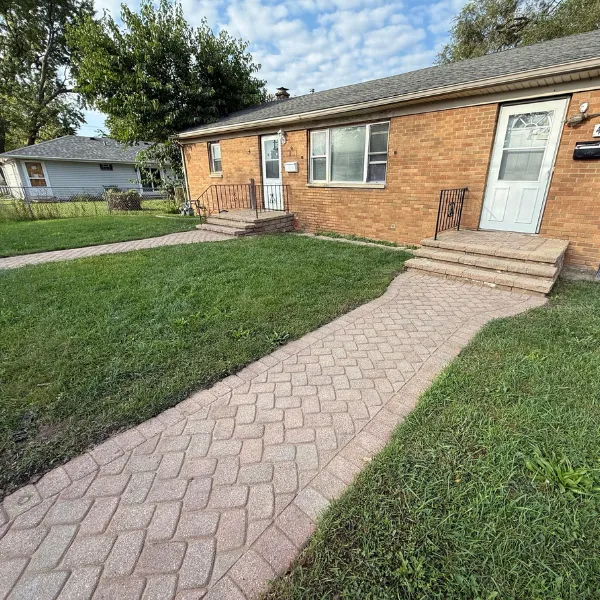
A concrete driveway is more than a place to park your vehicle. It contributes to your property’s curb appeal, provides a durable surface for everyday use, and can add value to your home. However, even high-quality concrete can develop problems when it is installed incorrectly. Cracks, uneven surfaces, drainage issues, and premature deterioration are often connected to poor preparation or workmanship.
That is why choosing the right concrete driveway contractor is an important decision. While price matters, it should not be the only factor you consider. A reliable contractor should have the right experience, insurance, materials, equipment, and installation process to complete the project properly.
A concrete driveway may look straightforward to install, but the quality of the finished surface depends on several steps that happen before and during the concrete pour.
The contractor needs to evaluate the property, prepare the ground, establish an appropriate base, plan drainage, install reinforcement when required, pour the concrete correctly, create suitable joints, and allow the surface to cure properly. Poor workmanship at any of these stages can create problems later.
Common driveway issues include:
Premature cracking
Uneven or sinking sections
Poor drainage
Surface deterioration
Water pooling
Improper slopes
Weak edges
Discoloration or inconsistent finishing
An experienced contractor understands these potential problems and can take appropriate steps to reduce them. If your project also involves structural concrete work, consulting a residential foundation contractor can help ensure that related foundation requirements are properly evaluated.
Not every concrete contractor has the same level of experience or expertise. Before hiring someone, evaluate several factors rather than choosing the first company that provides a quote.
Experience is one of the most important factors to consider. Ask how long the contractor has been working with concrete and how much of their work involves residential driveways.
A contractor who regularly installs driveways may be more familiar with the challenges involved in residential projects, including property access, drainage, grading, landscaping, and existing pavement removal. Local experience can also be valuable.
Contractors familiar with your area may understand common soil conditions, weather patterns, drainage considerations, and local requirements that could affect driveway construction. Instead of simply asking how many years a contractor has been in business, ask about their experience with projects similar to yours.
Before allowing a contractor to begin work, verify that they have the licenses and permits required in your area. Insurance is equally important. Appropriate coverage can help protect both the contractor and homeowner if an accident or property-related issue occurs during the project.
Ask the contractor to provide proof of relevant insurance coverage and verify that the information is current. A professional contractor should be comfortable answering these questions rather than avoiding them.
Online reviews can provide useful information about a contractor’s reputation, but do not rely on reviews alone. Look for patterns in customer feedback. Pay attention to comments about:
Workmanship
Communication
Timeliness
Professionalism
Clean-up
Pricing transparency
Responsiveness to problems
You can also ask the contractor for references from previous customers.
If possible, review photographs of completed driveway projects. Looking at previous work can give you a better idea of the contractor’s finishing quality and attention to detail.
The quality of the concrete itself matters, but so does everything underneath it. A driveway that looks excellent on installation day can still experience problems if the underlying surface was not properly prepared.
Ask the contractor about the concrete mix, driveway thickness, reinforcement, base preparation, and joint placement. The appropriate specifications can vary depending on the project and local conditions, so a reputable contractor should evaluate the property before recommending a solution.
Base preparation is one of the most important parts of driveway installation. The contractor may need to remove unsuitable soil, establish the appropriate grade, compact the ground, and install a suitable base material. Black Horse Construction Inc understands the importance of proper site preparation and a stable foundation when completing concrete projects. If the foundation underneath the concrete is unstable, the finished driveway may eventually settle or crack.
Depending on the design and site conditions, reinforcement may be recommended to improve the structural performance of the driveway. Ask the contractor whether reinforcement is appropriate for your project and what type they recommend.
Concrete finishing affects both appearance and performance. Contractors may use different finishing techniques depending on the desired look and application. Joints are also important because concrete naturally changes dimension as temperatures and moisture conditions change. Properly planned joints can help manage cracking.
Before signing a contract, ask questions that help you understand exactly what you are paying for. Some useful questions include:
How much experience do you have installing concrete driveways?
Can you provide references from recent projects?
What type of concrete do you recommend for my driveway?
How will you prepare the existing ground?
Will reinforcement be required?
How will drainage be handled?
Do you handle permits if they are required?
How long should the installation take?
What does your estimate include?
Do you provide a workmanship warranty?
How will weather affect the project schedule?
What maintenance will the driveway require?
The contractor’s answers can tell you a lot about their professionalism and knowledge.
Getting multiple estimates is a good way to understand the potential cost of your project. However, comparing only the final price can be misleading.
One contractor may offer a lower price because their estimate excludes important preparation or finishing work. A detailed estimate should clearly explain what is included.
Look for information about:
Driveway dimensions
Concrete materials
Excavation
Base preparation
Reinforcement
Formwork
Finishing
Joint installation
Removal of an existing driveway
Cleanup
Additional site work
The estimate should also explain payment terms and identify circumstances that could result in additional costs.
A low quote is not automatically a bad quote, but an unusually low price should encourage you to ask questions. A contractor may be reducing costs by using different materials, skipping preparation steps, underestimating the amount of work required, or excluding services that another contractor includes. The goal should be good value rather than simply the lowest price.
A professional contractor should be able to explain how the project will be completed.
While every property is different, a typical concrete driveway installation may include several stages.
The contractor evaluates the driveway area, measurements, existing surface, drainage, access, and surrounding property.
If an old driveway is being replaced, the existing material may need to be removed and properly disposed of.
The site is prepared to create the appropriate depth and grade. The underlying material should be compacted and prepared according to project requirements.
Water should be directed away from the driveway and surrounding structures where appropriate. Proper grading can help reduce standing water and drainage problems.
Forms establish the driveway’s shape and edges. Reinforcement may be added when appropriate for the project.
Concrete is placed and distributed across the prepared area.
The surface is leveled and finished according to the selected design.
Appropriate joints are installed, and the concrete is given sufficient time and conditions to cure properly. A contractor who can clearly explain these steps demonstrates a better understanding of concrete driveway installation than someone who simply provides a price without discussing the installation details.
Choosing a contractor becomes easier when you know what warning signs to watch for.
Be cautious if a contractor:
Refuses to provide a written estimate
Cannot provide proof of insurance
Has no verifiable references
Pressures you to sign immediately
Requests an unusually large upfront payment
Provides an extremely low quote without explanation
Gives vague answers about materials
Does not discuss site preparation
Has unclear warranty terms
Communicates poorly or inconsistently
A professional contractor should provide clear information about the project, pricing, schedule, materials, and responsibilities.
After collecting several estimates, create a simple comparison rather than focusing only on price.
| Factor | What to Check |
|---|---|
| Experience | Similar driveway projects completed |
| Reputation | Reviews and customer references |
| Insurance | Appropriate and current coverage |
| Materials | Concrete quality and specifications |
| Preparation | Excavation and base work |
| Estimate | Clear project scope and pricing |
| Warranty | Coverage for workmanship |
| Timeline | Expected start and completion |
| Communication | Responsiveness and professionalism |
A contractor who costs slightly more may provide significantly better preparation, materials, communication, or warranty coverage.
The cost of a concrete driveway varies considerably from one project to another. There is no single price that applies to every property. Several factors can affect the total cost.
Driveway size is one of the most obvious factors. A larger driveway requires more concrete, labor, and preparation.
Existing surface removal can add to the project if an old concrete or asphalt driveway needs to be demolished and removed.
Site preparation can also influence the price. Properties requiring extensive excavation, grading, soil correction, or drainage work may require additional labor and materials.
Other factors can include:
Concrete specifications
Reinforcement
Driveway thickness
Finishing style
Accessibility
Decorative elements
Local labor costs
Permits
Cleanup and disposal
Rather than relying on an online average, request a detailed estimate based on your actual property.
Once you have selected a contractor, preparing the property can help the installation go more smoothly.
Move vehicles and personal belongings away from the driveway area before work begins. Make sure the contractor has sufficient access to the property and discuss any gates or access restrictions in advance.
You should also discuss landscaping, drainage, nearby structures, and any concerns about water flow.
Before construction begins, review the contract carefully.
Make sure you understand:
Project scope
Materials
Total cost
Payment schedule
Estimated timeline
Warranty information
Cleanup responsibilities
Potential additional charges
Clear communication before work begins can prevent misunderstandings later.
Choosing the right concrete driveway contractor can have a significant impact on the durability, appearance, and long-term performance of your driveway. While price is an important consideration, it should be evaluated alongside experience, materials, preparation methods, insurance, reputation, and workmanship.
Start by identifying contractors with relevant local experience. Check their previous work, read customer reviews, request references, and ask detailed questions about how they will approach your project.
Ready to upgrade your driveway? Contact us today for a professional concrete driveway consultation and detailed estimate. Our experienced team can evaluate your property, discuss your goals, and recommend a concrete driveway solution designed around your needs and budget.
Start by researching local contractors with experience in concrete driveway installation. Check reviews, request references, verify insurance and licensing requirements, review previous work, and obtain detailed written estimates before making a decision.
Getting several estimates can help you compare pricing, materials, project scope, and contractor experience. The exact number depends on your project, but comparing multiple qualified contractors can give you a better understanding of your options.
A detailed estimate should explain the project scope, driveway dimensions, concrete materials, site preparation, excavation, reinforcement, finishing, removal of existing surfaces if necessary, cleanup, payment terms, and any potential additional costs.
The timeline depends on the driveway’s size, site conditions, preparation requirements, weather, and curing needs. Your contractor should provide a project-specific schedule rather than promising an unrealistic completion time.
Look for relevant experience, positive and consistent customer feedback, references, appropriate insurance, clear written estimates, professional communication, and transparent information about the installation process.