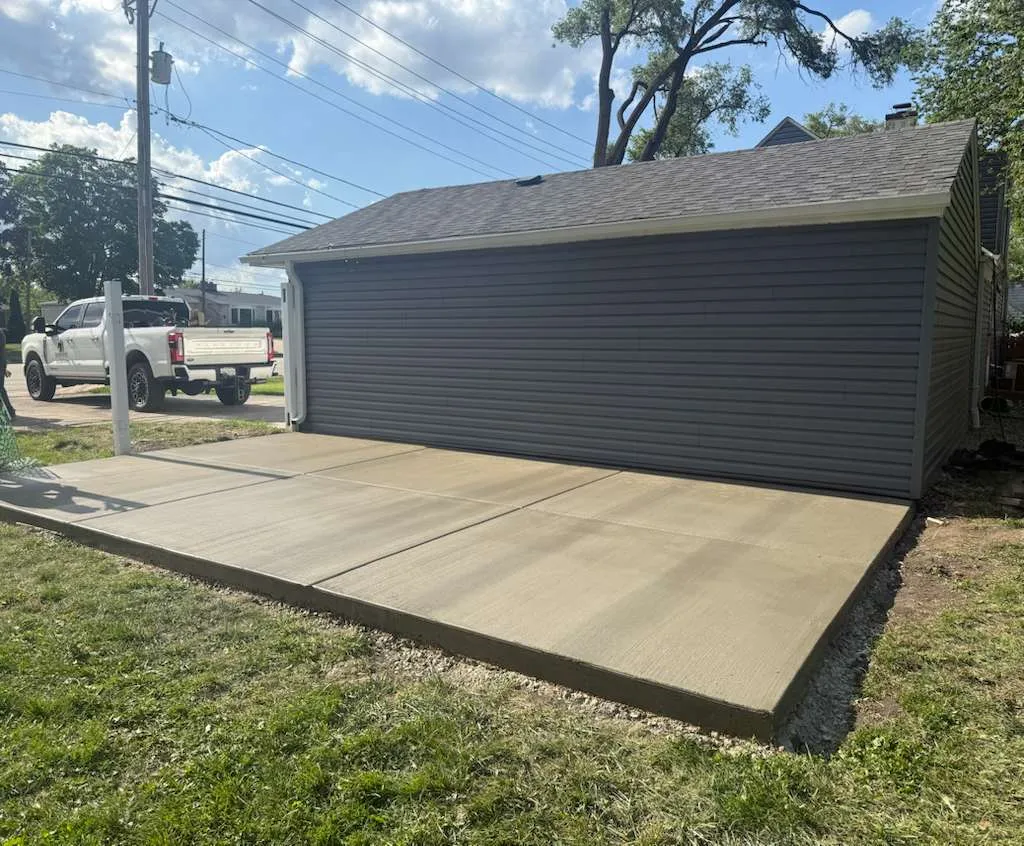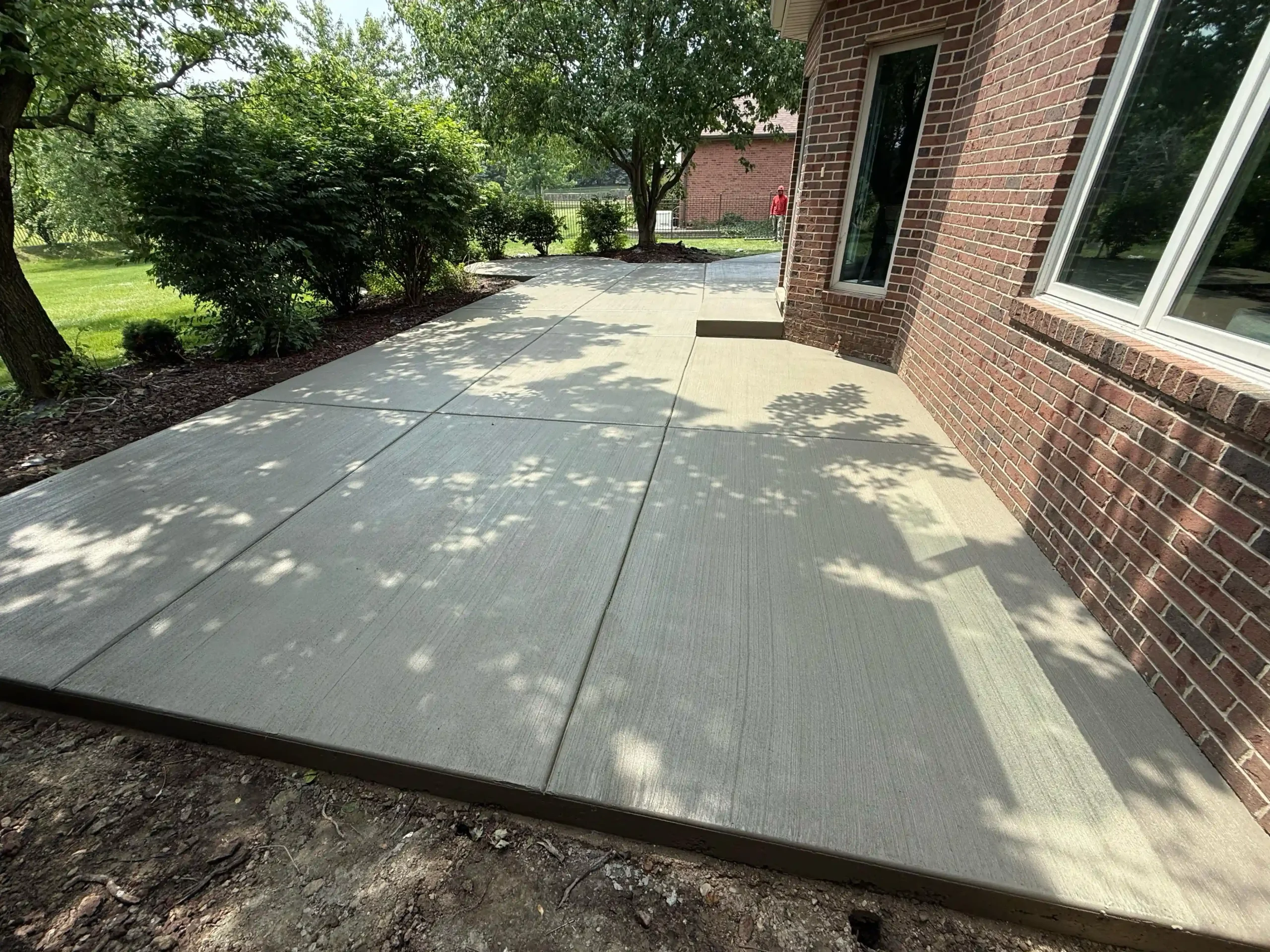
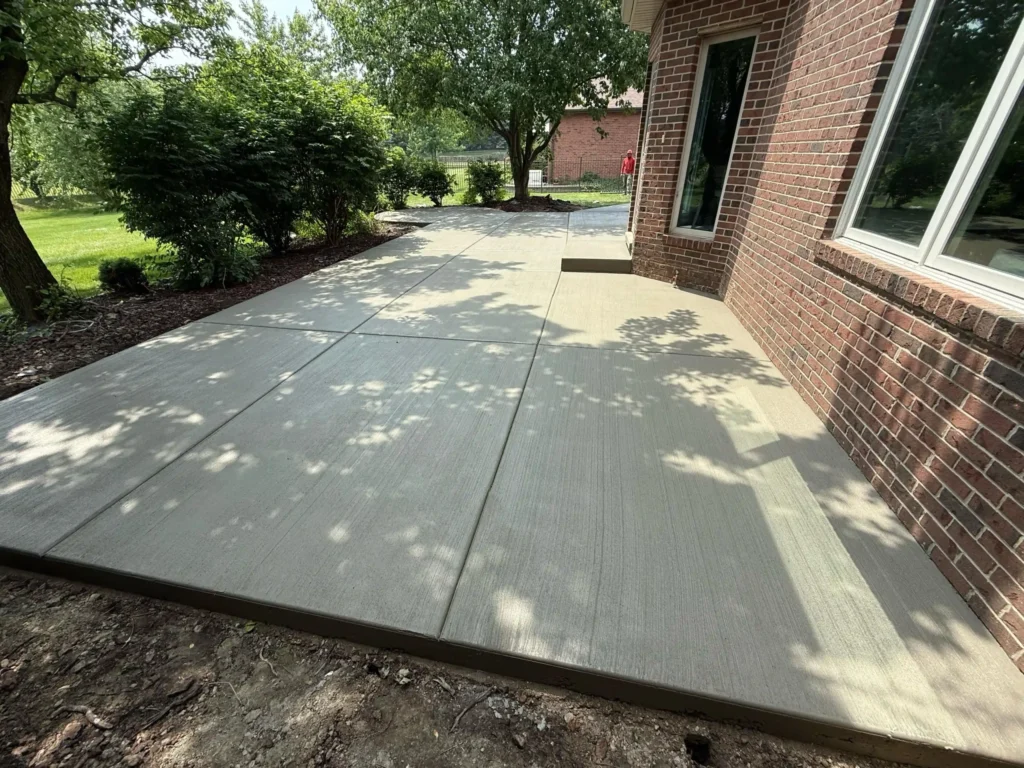
Whether you are planning a new driveway, building a commercial facility, or installing a decorative patio, choosing the right concrete construction company is one of the most important decisions you will make.
Concrete is the foundation of countless residential and commercial structures, and its quality directly affects safety, durability, appearance, and long-term maintenance costs. Hiring the wrong contractor can lead to uneven surfaces, premature cracking, project delays, and expensive repairs that could have been avoided.
A professional concrete contractor brings more than just equipment and labor. They provide technical expertise, high-quality materials, proper planning, and adherence to local building codes. Experienced contractors understand the correct concrete mix, reinforcement techniques, site preparation, finishing methods, and curing process required to ensure a long-lasting installation.
In this guide, you’ll learn how to identify your project requirements, what to look for in a reputable concrete construction company, the most important questions to ask before hiring, common mistakes to avoid, and why professional concrete installation delivers better long-term value.
Understand Your Concrete Project Requirements
Before contacting contractors, it is important to clearly define your project. Whether you’re planning a custom concrete driveway, patio, foundation, or another concrete installation, knowing exactly what you need allows contractors to prepare accurate estimates while helping you compare companies fairly.
Identify the Type of Concrete Project
Different concrete projects require different skills and equipment. A contractor specializing in decorative patios may not necessarily have the expertise required for commercial foundations.
Common concrete projects include:
- Driveways
- Patios
- Foundations
- Sidewalks
- Retaining walls
- Commercial concrete work
Driveways require proper grading, reinforcement, and drainage to support vehicle traffic for many years. Patios focus more on appearance, finishes, and outdoor functionality.
Retaining walls require structural knowledge to withstand soil pressure and prevent movement. Commercial concrete work often involves larger crews, specialized equipment, and strict project scheduling. Understanding your project type helps narrow your search to companies with relevant experience.
Define Your Budget and Timeline
Every construction project should begin with a realistic budget and timeline. While it’s tempting to focus on obtaining the lowest quote, quality workmanship provides better long-term value than saving a small amount upfront.
Discuss your expected budget with potential contractors and ask whether your desired finish fits within that budget. An experienced contractor can often recommend cost-effective alternatives without compromising quality.
Likewise, establish a realistic timeline. Weather conditions, permitting requirements, site preparation, and curing time all affect project duration. Reliable contractors explain these factors honestly rather than making unrealistic promises.
Decide Whether You Need Decorative or Standard Concrete
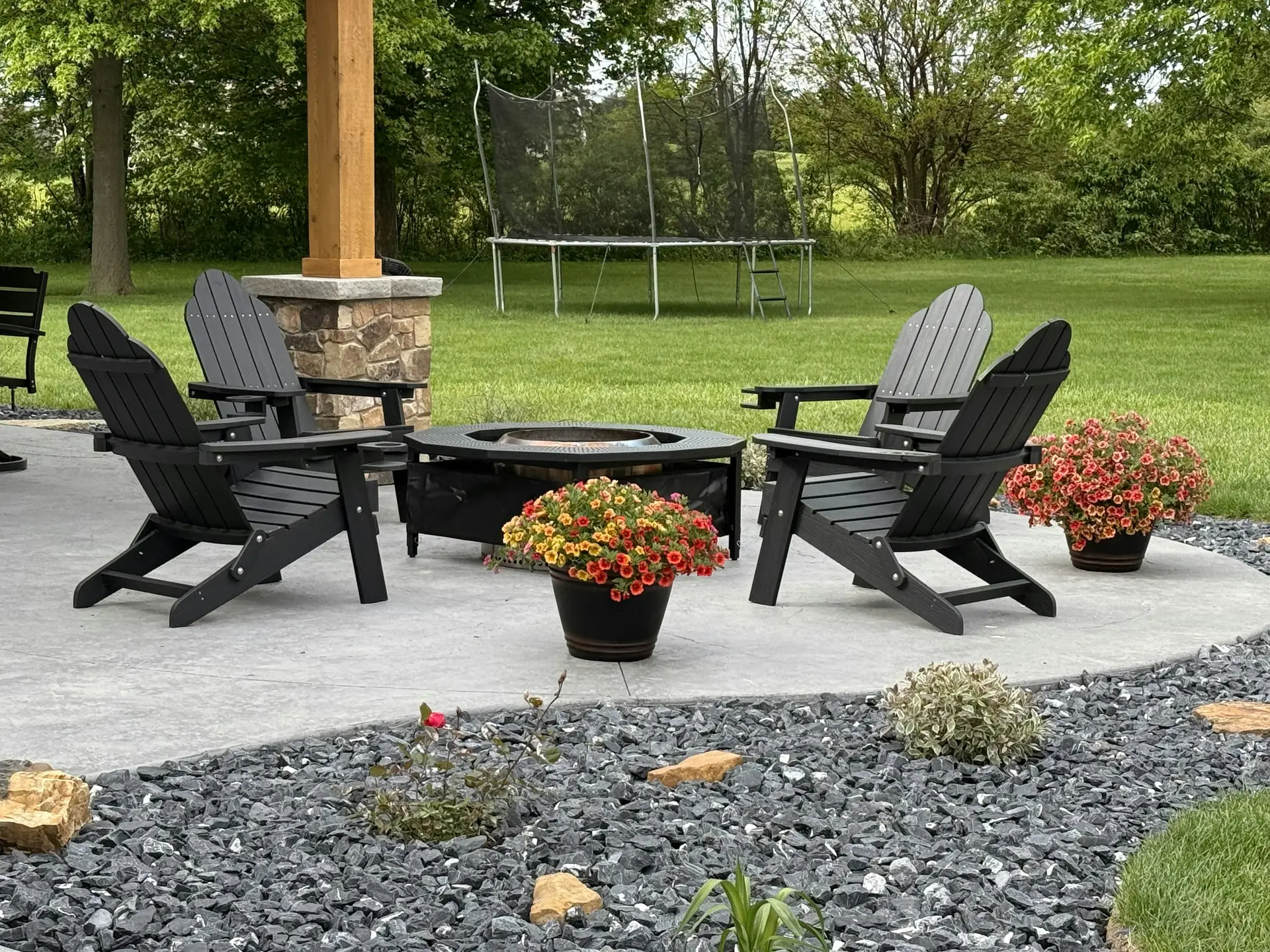
Today’s concrete offers far more than simple gray surfaces. Decorative concrete has become increasingly popular for both residential and commercial properties.
Popular decorative options include:
- Stamped concrete
- Colored concrete
- Exposed aggregate
- Polished concrete
- Stained concrete
Decorative concrete enhances curb appeal while maintaining the strength and durability of traditional concrete. If appearance is important for your project, choose a contractor with proven decorative concrete experience and an extensive portfolio.
What to Look for in a Concrete Construction Company
Choosing the right contractor involves evaluating several important factors beyond price. A professional company demonstrates reliability through qualifications, experience, communication, and quality workmanship.
Verify Licensing, Insurance, and Certifications
One of the first things to verify is whether the contractor holds the required licenses for your area. Proper licensing demonstrates that the company meets local legal requirements and understands applicable construction regulations.
Insurance is equally important. Contractors should carry both general liability insurance and workers’ compensation coverage. This protects you from financial responsibility if property damage or workplace injuries occur during construction.
Some contractors also hold certifications from industry organizations or manufacturers. While certifications are not always mandatory, they often indicate additional training and commitment to professional standards.
Never hesitate to request proof of licensing and insurance before signing any agreement.
Review Experience and Specialized Expertise
Experience remains one of the strongest indicators of a contractor’s capabilities. Companies that have successfully completed projects over many years have typically refined their installation methods and problem-solving skills.
Ask how long the contractor has been in business and whether they regularly complete projects similar to yours. A contractor with extensive commercial experience may not specialize in decorative residential work, while a residential expert may not be equipped for industrial-scale construction.
Specialized experience reduces the likelihood of costly mistakes and improves overall project efficiency.
Examine Previous Projects and Portfolio
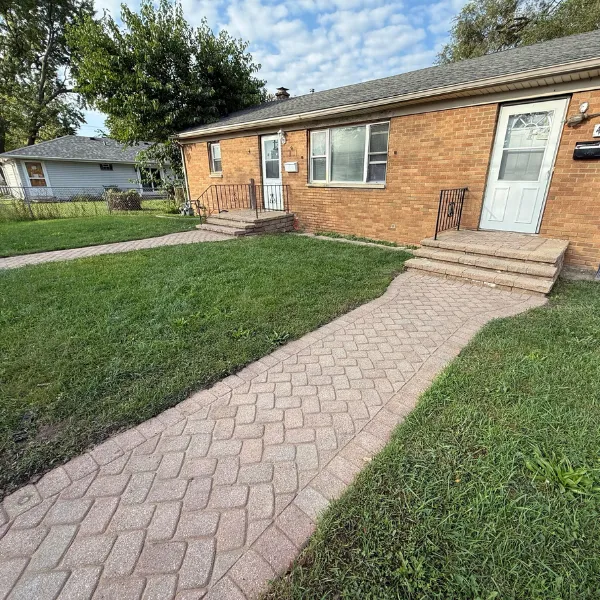
A quality concrete contractor should proudly showcase previous work. Reviewing a portfolio allows you to evaluate workmanship, finishing quality, and project variety.
Look for consistency across multiple projects rather than focusing on a single impressive installation. Pay attention to smooth finishes, clean edges, proper joint placement, decorative details, and overall craftsmanship.
Whenever possible, ask to see projects completed several years ago. Well-maintained older installations demonstrate long-term durability rather than simply attractive new construction.
Read Customer Reviews and Testimonials
Customer feedback provides valuable insight into a contractor’s professionalism and reliability.
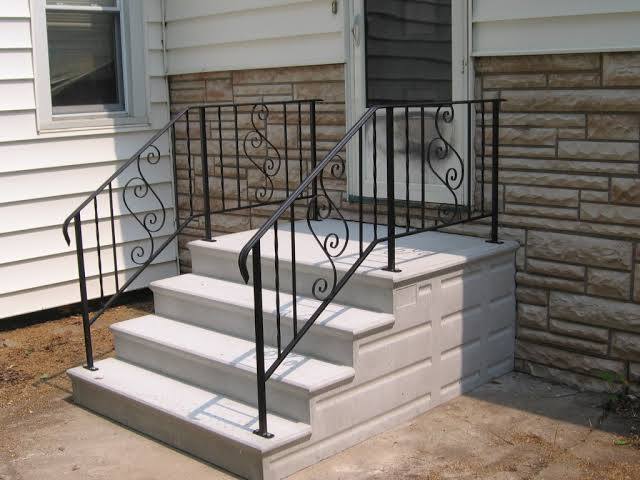
Read reviews across multiple platforms instead of relying solely on testimonials displayed on the company’s website. If you’re planning a concrete stoop installation or any other concrete project, look for recurring themes regarding communication.
No contractor will have a perfect record, but consistently positive feedback combined with professional responses to occasional concerns is generally a good sign.
Ask About Materials and Concrete Mix Quality
Not all concrete is created equal. The quality of raw materials directly influences strength, durability, and resistance to cracking.
Ask contractors where they source their concrete and whether the mix design is customized for your specific project. Factors such as local climate, soil conditions, intended load, and finishing requirements all influence the appropriate concrete mix.
Professional contractors never compromise material quality simply to reduce costs.
Ensure They Follow Local Building Codes
Construction projects must comply with local building regulations. Experienced contractors understand permit requirements, inspection schedules, reinforcement standards, and local code compliance.
Failure to meet building codes can result in failed inspections, expensive corrections, project delays, and future legal complications.
A reputable contractor handles these requirements professionally and keeps you informed throughout the process.
Questions to Ask Before Hiring a Concrete Contractor
Meeting with potential contractors gives you an opportunity to evaluate their knowledge, professionalism, and communication style. Asking the right questions helps you make an informed decision.
How Many Years Have You Been in Business?
Business longevity often reflects consistent customer satisfaction and financial stability. Companies that have served their communities for many years usually possess extensive practical experience across a wide variety of concrete projects.
Established contractors like Black Horse Construction demonstrate how industry experience, skilled workmanship, and a commitment to quality can contribute to successful project outcomes.
Can You Provide References from Similar Projects?
References allow you to hear directly from previous clients. Ask whether projects were completed on schedule, whether communication remained consistent, and whether the finished concrete continues to perform well years later.
Speaking with former customers often reveals valuable information that cannot be found in online reviews.
What Is Included in the Written Estimate?
A detailed written estimate protects both parties and prevents misunderstandings.
The estimate should clearly outline:
- Labor costs
- Material costs
- Equipment expenses
- Estimated timeline
- Permit responsibilities
- Payment schedule
- Cleanup services
- Warranty information
Transparent pricing demonstrates professionalism and reduces the risk of unexpected charges later.
What Is Your Project Timeline?
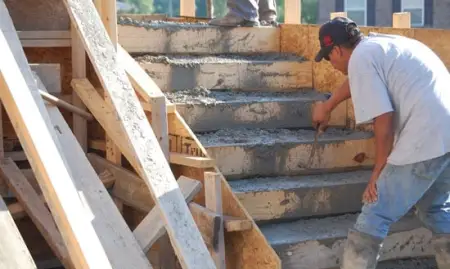
Every concrete project follows several stages, including site preparation, excavation, forming, reinforcement, pouring, finishing, curing, and cleanup. Ask contractors how long each phase will take and what factors could affect scheduling.
Realistic timelines indicate honesty, while promises of unusually fast completion may compromise quality.
Do You Offer Workmanship Warranties?
Reliable contractors stand behind their work. Ask whether workmanship warranties are provided and exactly what they cover. A warranty demonstrates confidence in installation quality while giving property owners additional peace of mind.
Be sure to understand any maintenance responsibilities required to maintain warranty coverage.
How Will You Handle Unexpected Issues?
Construction projects occasionally encounter unforeseen challenges such as poor soil conditions, underground utilities, weather delays, or design modifications.
Professional contractors explain how they communicate unexpected issues, obtain approvals, document changes, and manage additional costs before proceeding.Clear communication minimizes surprises throughout the project.
Common Mistakes to Avoid When Choosing a Contractor
Many property owners make avoidable mistakes when selecting a contractor. Understanding these common pitfalls can save significant money and frustration.
Choosing Based Only on the Lowest Price
Price is important, but it should never be the only deciding factor. Extremely low estimates often indicate lower-quality materials, inexperienced labor, inadequate insurance, or incomplete project scopes. Instead of asking who is cheapest, ask which contractor provides the greatest long-term value.
Not Verifying Insurance Coverage
Never assume insurance exists simply because a contractor says it does. Always request current insurance certificates before work begins. Proper coverage protects both your property and the contractor’s employees.
Ignoring Online Reviews
Many homeowners fail to research customer feedback before signing contracts. Reviews often reveal recurring strengths or weaknesses that may not appear during initial meetings. Consistent complaints regarding delays, poor communication, or unfinished work deserve careful consideration.
Skipping the Written Contract
Verbal agreements create unnecessary risk. Every project should include a written contract specifying project scope, pricing, materials, schedule, payment terms, warranties, and responsibilities.
A comprehensive contract protects everyone involved and provides a clear reference throughout construction.
Overlooking Communication and Professionalism
Excellent craftsmanship should be matched by excellent communication. Professional contractors return calls promptly, answer questions clearly, explain technical information, and keep clients updated throughout the project.
Poor communication during the estimating phase often continues during construction.
Hiring Without Comparing Multiple Quotes
Obtaining multiple estimates provides valuable perspective. Comparing at least three qualified contractors allows you to evaluate pricing, timelines, proposed materials, warranties, and overall professionalism.
Avoid comparing only price. Carefully review what each contractor includes within their proposal.
Why Professional Concrete Installation Matters
Concrete may appear simple, but achieving long-lasting performance requires proper planning, preparation, installation, and curing. Professional installation offers benefits that extend far beyond the project’s completion date.
Better Structural Strength
Proper site preparation, reinforcement placement, concrete mix selection, finishing techniques, and curing procedures significantly improve structural performance.
Professionally installed concrete withstands heavy loads, temperature changes, and daily wear far better than poorly executed installations.
Higher Durability and Longevity
Concrete represents a long-term investment. Experienced contractors understand expansion joints, drainage design, reinforcement placement, and curing methods that minimize cracking while extending the lifespan of the finished surface.
Quality installation often provides decades of reliable performance with relatively little maintenance.
Improved Safety and Code Compliance
Properly constructed concrete surfaces reduce trip hazards, improve drainage, and comply with applicable safety regulations.
Commercial properties especially benefit from professional installation because code compliance helps avoid future liability and inspection issues.
Better Curb Appeal and Property Value
Concrete contributes significantly to a property’s overall appearance. Smooth finishes, attractive decorative options, precise edging, and consistent workmanship enhance curb appeal while increasing market value.
Whether selling a home or attracting commercial customers, professionally installed concrete creates a strong first impression.
Lower Long-Term Maintenance Costs
Although professional installation may require a larger initial investment, it often reduces future repair expenses. Quality concrete experiences fewer cracks, less settling, improved drainage, and greater resistance to weather-related damage. Lower maintenance costs make professional installation the more economical choice over time.
Conclusion
Choosing the right concrete construction company is an investment in the success, safety, and longevity of your project. Whether you’re installing a new driveway, constructing a foundation, building retaining walls, or completing a large commercial development, the contractor you choose will directly impact the final results.
Rather than selecting a contractor based solely on the lowest price, focus on experience, licensing, insurance, quality materials, customer reviews, communication, and proven workmanship.
Contact our experienced team today to schedule a detailed consultation and receive a professional, no-obligation quote for your residential or commercial concrete construction needs. We are committed to delivering durable, high-quality concrete solutions that are built to last.
Frequently Asked Questions (FAQs)
How do I know if a concrete contractor is reliable?
Look for proper licensing, insurance, positive customer reviews, an extensive project portfolio, relevant experience, and a detailed written contract. Reliable contractors communicate clearly, provide transparent estimates, and willingly answer your questions before work begins.
Should I get multiple concrete estimates?
Yes. Comparing at least three estimates helps you evaluate pricing, materials, timelines, warranties, and overall value. Focus on the complete scope of work rather than selecting the lowest price alone.
How long does a concrete project usually take?
Project timelines vary depending on size, weather, site conditions, and complexity. Small residential patios may take only a few days, while foundations or large commercial installations may require several weeks, including proper curing time.
What should be included in a concrete construction quote?
A professional quote should clearly list labor costs, material specifications, project timeline, permit responsibilities, payment schedule, warranty coverage, cleanup services, and any additional fees that may apply.
Why is proper concrete curing important?
Proper curing allows concrete to develop maximum strength and durability. It reduces shrinkage cracking, improves resistance to wear, and significantly extends the lifespan of the finished installation.
Can decorative concrete last as long as standard concrete?
Yes. Decorative concrete offers the same structural durability as standard concrete when installed using proper materials, professional techniques, and appropriate maintenance practices. Decorative finishes simply enhance the appearance while maintaining long-term performance.