
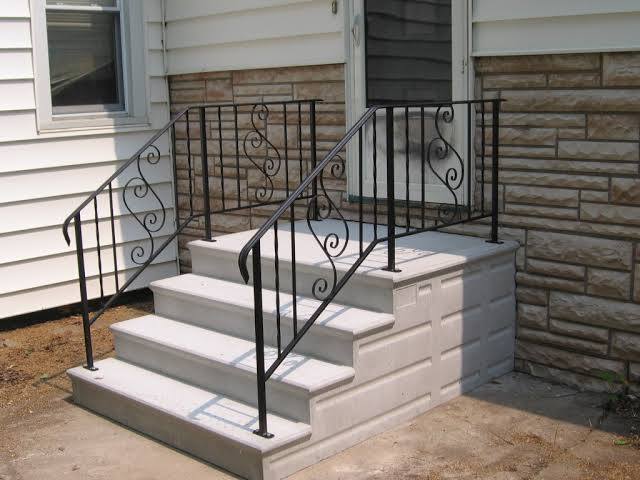
The entrance of a home creates one of the first impressions for visitors, neighbors, and potential buyers. A well-designed entrance can make a property look more attractive, welcoming, and well maintained. One of the features that can make a noticeable difference is a concrete stoop.
Concrete stoops provide a practical transition between the ground level and the entrance of a home while also contributing to the property’s overall appearance. When properly designed and installed, they can offer durability, safety, and visual appeal for years.
Whether you are replacing an aging stoop or building a new entrance, professional concrete stoop installation can help ensure that the structure complements your property and performs properly. From improved curb appeal to better functionality, a quality concrete stoop can be a worthwhile investment for homeowners.
A concrete stoop is a small raised platform, often accompanied by steps, located outside an entrance to a home or building. It provides a stable area where people can stand before entering or exiting the property. Professional concrete stairs and stoop services can help ensure these entrance features are properly designed, installed, and finished for durability and everyday use.
Concrete stoops are commonly installed at:
Front entrances
Side entrances
Basement entrances
Rear doors
Raised entryways
The size and design of a stoop can vary significantly depending on the height of the entrance, available space, architectural style, and property requirements.
A basic stoop may consist of a small concrete landing and a few steps, while a larger design can include wider landings, railings, decorative finishes, or connections to an existing walkway.
A front entrance can have a major influence on the overall appearance of a home. Even when the rest of the exterior is attractive, an old, cracked, or uneven stoop can make the property look neglected. A professionally installed concrete stoop creates a cleaner and more finished appearance.
A new concrete stoop can give the entrance a fresh and inviting appearance. A clean landing and well-defined steps can create a natural transition between the walkway and front door.
The stoop can also provide space for practical decorative elements such as planters, seasonal decorations, or outdoor lighting, depending on its size and design. A well-proportioned entrance can make the front of the home feel more balanced and visually appealing.
Concrete does not have to look plain or industrial. Homeowners can choose from various finishing and design options depending on their preferences and budget.
Potential choices can include:
Smooth finishes
Broom finishes
Decorative textures
Stamped patterns
Different edge treatments
Custom shapes
Complementary colors
The appropriate finish depends on the property’s style and the desired appearance. For example, a simple broom finish may work well for a traditional home, while a decorative finish may be appropriate for a more customized exterior design.
A concrete stoop should work with the rest of the property’s exterior rather than appearing disconnected from it. The design can be coordinated with existing walkways, retaining walls, landscaping, driveway surfaces, exterior siding, and other architectural features.
Professional sidewalk construction services can also help create a smooth visual and functional connection between the stoop, walkway, and surrounding outdoor areas.
Curb appeal does not guarantee a specific increase in property value, but an attractive and functional entrance can contribute to a property’s overall presentation.
Potential buyers often notice exterior features before entering a home. A damaged or poorly maintained entrance can create a negative first impression, while a clean and professionally constructed stoop can communicate that the property has been maintained. A concrete stoop can contribute value in several ways.
Improved appearance: A new stoop can make the entrance look cleaner and more modern.
Better functionality: A properly sized landing and steps can make entering and leaving the home more convenient.
Long-term durability: Concrete can provide a durable surface when properly designed, installed, and maintained.
Improved safety: Properly constructed steps and appropriate handrails where required can create a safer entry point.
For homeowners considering selling in the future, improving visible exterior features can be part of a broader strategy for maintaining curb appeal.
Concrete is a popular material for stoops because it can combine durability, versatility, and relatively straightforward maintenance.
A properly constructed concrete stoop can withstand regular foot traffic and exposure to outdoor conditions.
The quality of the finished structure depends on factors such as:
Proper site preparation
Appropriate concrete selection
Correct reinforcement
Suitable thickness
Proper drainage
Quality finishing
Adequate curing
These factors are often more important than simply choosing a concrete material.
Concrete generally does not require extensive routine maintenance. Regular cleaning can help keep the surface looking attractive and allow homeowners to notice potential problems early.
Minor cracks or surface damage should be evaluated rather than ignored. Addressing issues early may help prevent more extensive deterioration.
A properly designed stoop can provide a stable and predictable surface for entering and leaving a property.
Step dimensions, surface texture, drainage, lighting, and handrails can all contribute to entrance safety. Local building requirements should be considered when designing stairs and elevated entrances.
Unlike some temporary or less durable entrance materials, concrete is designed to provide a solid walking surface.
A properly installed stoop can handle repeated foot traffic from residents, guests, delivery workers, and visitors.
Concrete can be adapted to different architectural styles through its shape, finish, texture, and design. Black Horse Construction Inc can help homeowners create a customized concrete entrance that complements their property’s exterior while providing a practical and durable surface. This allows homeowners to create an entrance that looks intentional rather than simply functional.
Before construction begins, several factors should be evaluated. The best-looking design will not perform well if the underlying site conditions are ignored.
The size of the stoop should be appropriate for the entrance and available property space. Consider how many steps are required, how much landing space is needed, and how people will move between the walkway and doorway.
If the entrance is frequently used by multiple people at once, a wider design may provide greater convenience.
Water management is an important part of concrete construction. The stoop should be designed so that rainwater does not unnecessarily collect around the entrance or flow toward vulnerable areas of the home.
Poor drainage can contribute to water-related problems, surface deterioration, and issues around the foundation.
A contractor should evaluate the property’s existing grading and drainage conditions before installation.
The ground underneath a concrete stoop plays an important role in its long-term stability.Before pouring concrete, contractors may need to remove unsuitable soil, prepare the base, compact the ground, and establish an appropriate grade.
If the underlying material is unstable, the finished structure may settle unevenly over time. Proper preparation helps create a more stable foundation for the concrete.
Concrete stoops and steps may be subject to local building requirements, particularly when they involve elevated entrances, stairs, railings, or structural connections. Requirements can vary depending on the location and project design.
Homeowners should confirm which permits, inspections, dimensions, railings, and other requirements apply before construction begins. A professional contractor can help identify requirements that may affect the project.
While each project is different, professional concrete stoop installation typically involves several important stages.
The contractor begins by evaluating the entrance area, measuring the available space, checking elevations, and identifying potential drainage or access issues.
The contractor determines the appropriate size, shape, step configuration, and finish based on the property and homeowner’s preferences.
The installation area is prepared by removing unsuitable materials and establishing a stable base. Proper compaction is important because movement beneath the concrete can contribute to settlement.
Forms are installed to establish the shape and dimensions of the stoop. Depending on the design and structural requirements, reinforcement may also be incorporated.
The concrete is placed into the prepared forms and distributed evenly. The contractor must work efficiently during this stage to achieve the desired shape and finish.
The concrete is leveled and finished according to the selected surface design. A suitable finish can improve appearance while also providing an appropriate walking surface.
Concrete needs sufficient time to cure and develop its intended strength. The curing process should not be rushed, and the contractor should provide appropriate guidance regarding when the stoop can safely receive regular use.
Once the installation is complete, the contractor should inspect the finished work, remove construction materials, and leave the surrounding area clean.
A poorly constructed stoop can create problems that affect both appearance and functionality. Common issues include:
Cracking
Uneven settling
Water pooling
Surface deterioration
Improper step dimensions
Poor drainage
Weak edges
Separation from nearby structures
These issues can result from inadequate base preparation, improper drainage, unsuitable materials, poor finishing, or insufficient curing.
A concrete stoop may appear relatively small compared with larger construction projects, but proper installation still requires planning and technical knowledge.
A professional contractor can evaluate the site, recommend suitable materials, prepare the base, establish appropriate grades, and complete the installation using suitable equipment and techniques.
Professional installation can also help address:
Site accessibility
Drainage
Reinforcement
Concrete selection
Finishing
Step configuration
Applicable construction requirements
Before hiring a contractor, ask about their previous stoop and concrete projects. Reviewing photographs, customer feedback, and references can help you evaluate their experience. It is also important to request a written estimate that explains what is included in the project.
Once installed, a concrete stoop can remain attractive and functional with basic maintenance. Regularly remove dirt, leaves, and debris from the surface. Keeping drainage areas clear can also help prevent unnecessary water accumulation.
Inspect the stoop periodically for:
New cracks
Chipping
Uneven areas
Drainage problems
Surface deterioration
Damaged railings
If you notice a developing problem, have it evaluated rather than allowing it to become more extensive. Homeowners should also use care when selecting cleaning and deicing products. Some harsh chemicals or improper practices can damage concrete surfaces over time.
A concrete stoop can do much more than provide steps outside a home. It can create a welcoming entrance, improve curb appeal, increase everyday functionality, and contribute to the overall presentation of a property.
Ready to improve your home’s entrance with a professionally installed concrete stoop? Contact us today to discuss your project and request a personalized estimate. Our team can evaluate your property, help you choose the right design, and provide a quality concrete solution built around your home’s needs.
The lifespan of a concrete stoop depends on installation quality, materials, soil conditions, drainage, weather exposure, usage, and maintenance. Proper site preparation and regular maintenance can help support long-term performance.
The cost varies depending on the size, height, design, site conditions, materials, reinforcement, finishing options, demolition requirements, and local labor costs. The best way to determine the cost is to request a project-specific estimate.
Yes. Concrete stoops can be customized through different shapes, dimensions, surface finishes, textures, colors, and design details. The available options depend on the contractor and project requirements.
The installation timeline depends on the size and complexity of the project, site preparation, weather, concrete work, and curing requirements. A contractor can provide a more accurate schedule after evaluating the property.
Concrete stoops generally require relatively simple maintenance. Regular cleaning, drainage management, periodic inspections, and timely attention to cracks or other damage can help maintain the surface.