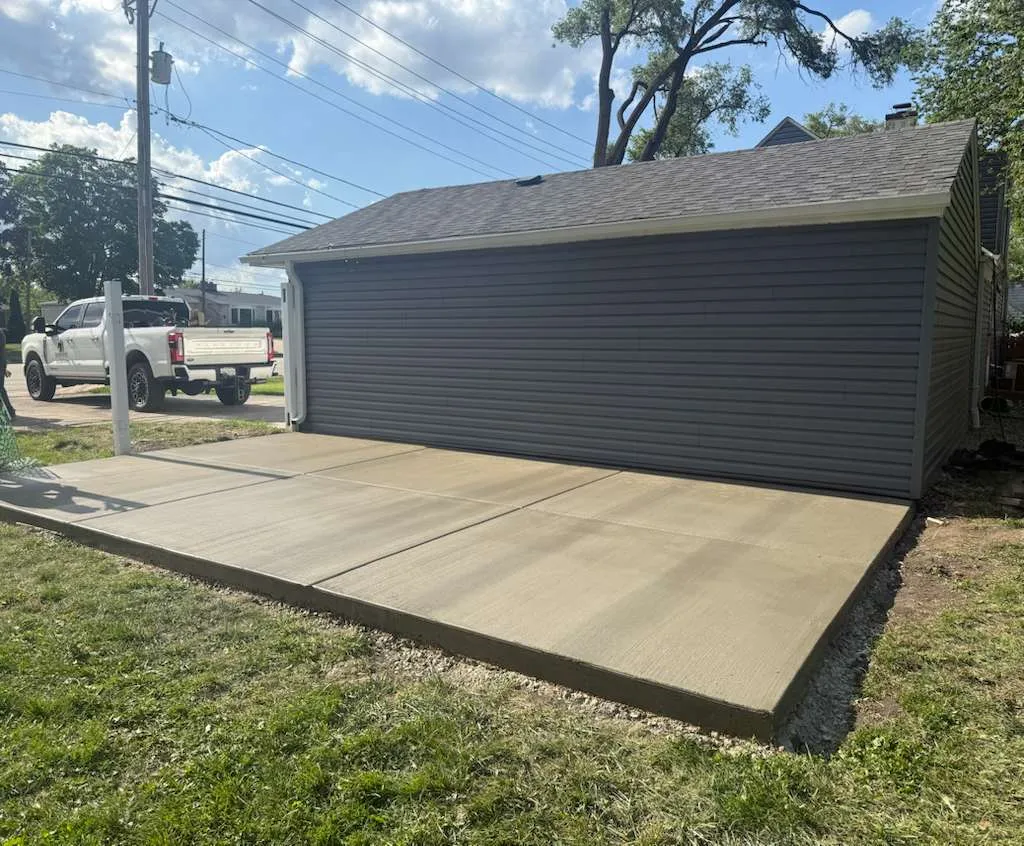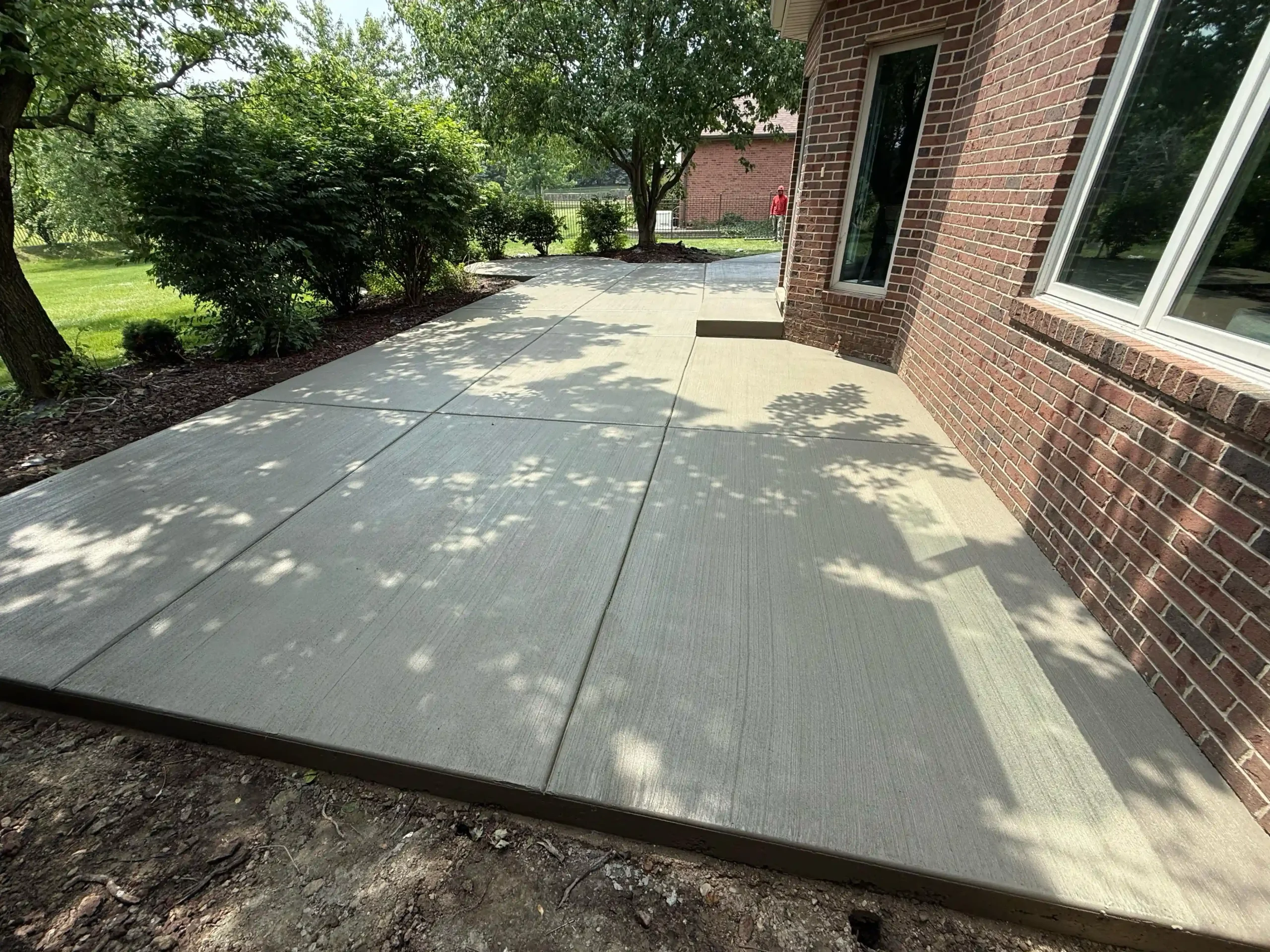
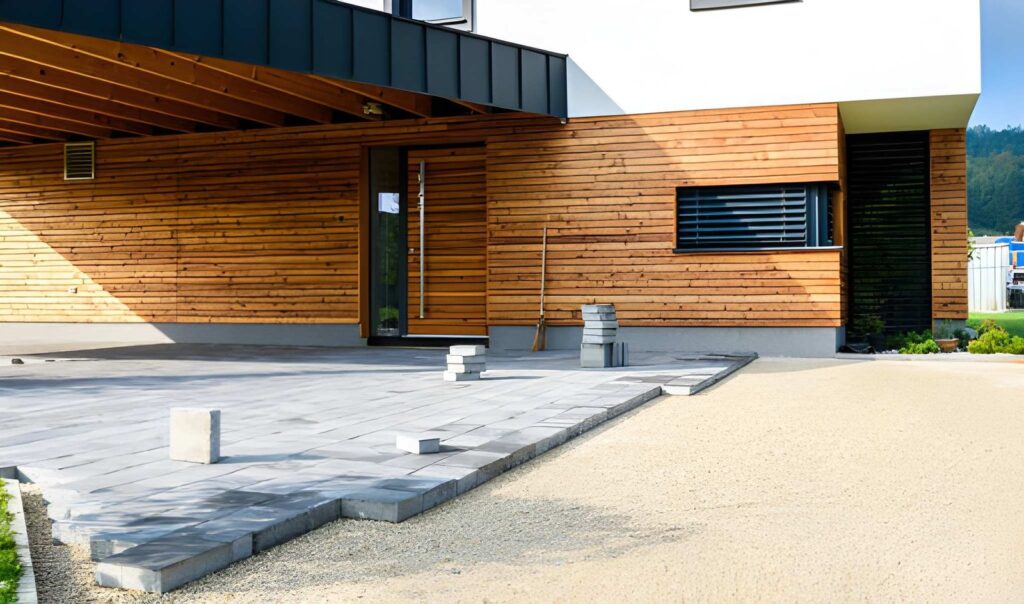
A well-designed outdoor space can significantly improve the comfort, beauty, and functionality of your home. Whether you want an area for family gatherings, outdoor dining, relaxing evenings, or entertaining guests, a patio can help create the perfect environment. Among the many patio materials available, concrete remains one of the most popular choices for homeowners.
Concrete patios are known for their durability, versatility, affordability, and modern appearance. With proper planning and installation, a concrete patio can transform your backyard into an attractive and practical outdoor living area that lasts for years.
This guide explores the benefits of concrete patios, the installation process, maintenance tips, and ways to maximize the value of your outdoor space.
Why Choose a Concrete Patio for Your Outdoor Space
Durability and Low-Maintenance Benefits
Concrete patios offer several advantages that make them a preferred choice for residential outdoor projects. One of the biggest benefits is durability. Concrete is strong enough to withstand heavy foot traffic, outdoor furniture, changing weather conditions, and daily use.
Unlike some outdoor materials that may rot, shift, or require frequent replacement, concrete provides long-lasting performance with relatively low maintenance requirements.
Versatile Design and Customization Options
Another major advantage is versatility. Concrete patios are available in a wide variety of styles, finishes, textures, and colors. Homeowners can customize the look of their patio to match the design of their home and landscape.
Stamped concrete, stained finishes, decorative borders, exposed aggregate, and textured surfaces allow homeowners to create customized outdoor designs without sacrificing durability.
Cost-Effective Outdoor Investment
Concrete is also considered a cost-effective patio material. Compared to some natural stone or premium paving options, concrete often delivers an attractive balance between affordability and long-term value.
Enhancing Outdoor Living and Property Value
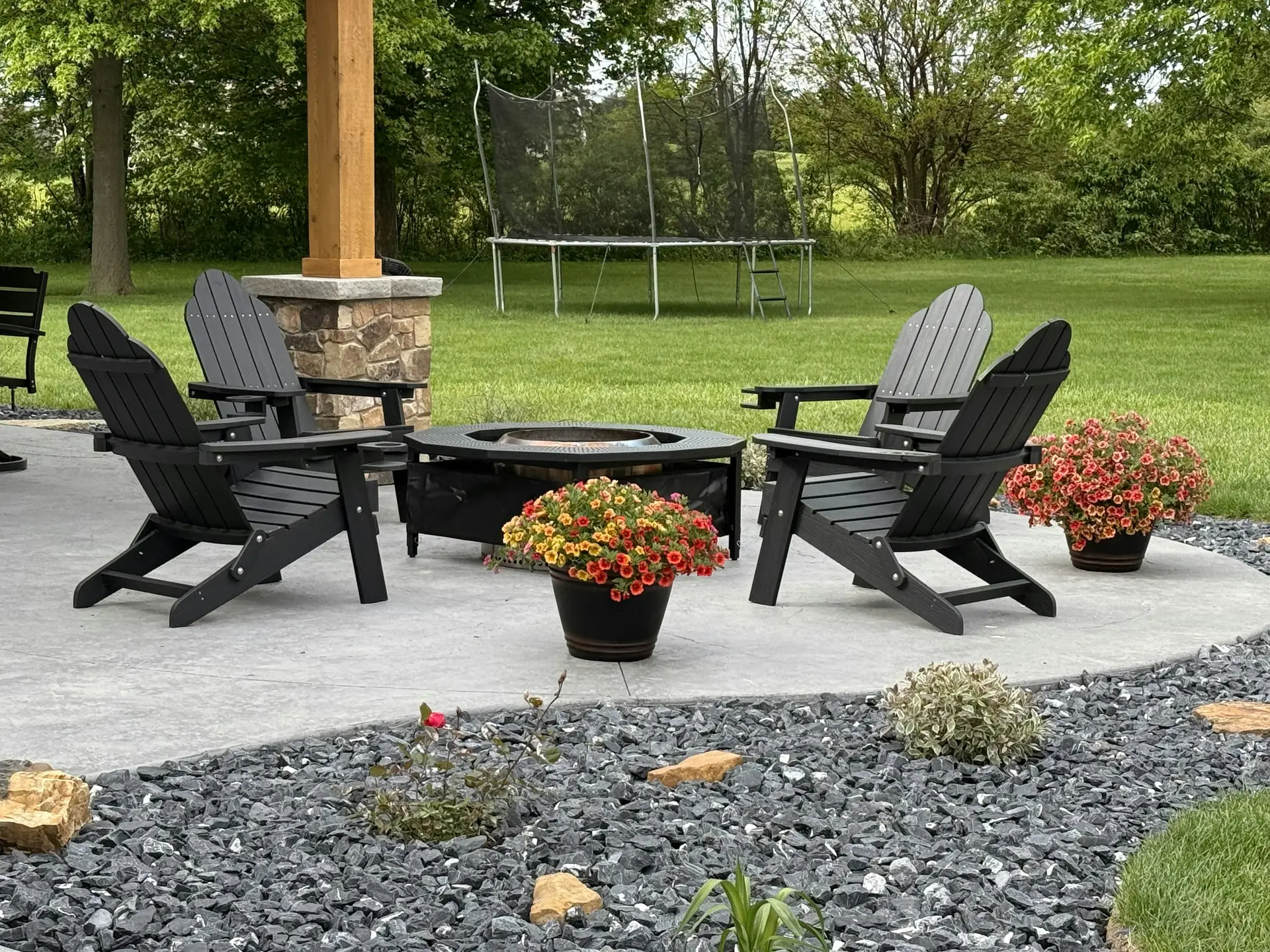
Beyond appearance and cost, concrete patios improve outdoor functionality. A properly installed patio creates usable outdoor space for dining areas, fire pits, lounge seating, outdoor kitchens, gardens, and entertainment setups.
A beautiful patio can also increase curb appeal and potentially improve property value by enhancing the overall attractiveness of the home. Homeowners seeking long-lasting exterior improvements often consider related solutions such as concrete foundation services to support durable and structurally sound property upgrades.
Step-by-Step Concrete Patio Installation Process
Installing a concrete patio involves several important steps. Proper planning and execution are essential for achieving a durable, visually appealing result.
Planning the Patio Design and Layout
The first stage of patio installation involves planning. Homeowners should determine the size, shape, placement, and purpose of the patio.
Will the patio be used for entertaining large groups, relaxing with family, or supporting outdoor cooking equipment? Understanding how the space will be used helps guide design decisions.
Factors such as sunlight exposure, drainage patterns, accessibility, landscaping, and surrounding structures should also be considered during the planning phase.
Once the design is finalized, measurements and layout markings are prepared to define the installation area.
Site Preparation and Excavation
Proper site preparation is critical for long-term patio performance.
The installation area must be cleared of grass, debris, roots, rocks, and existing materials. Excavation removes soil to create adequate depth for the patio base and concrete slab.
Ground leveling helps establish a stable foundation. Uneven or poorly prepared surfaces can lead to cracks, settling, drainage problems, and structural issues over time.
A compacted gravel or aggregate base is commonly added to improve drainage and support the concrete slab.
Formwork and Reinforcement Setup
After site preparation, installers create formwork using wood or metal forms to define the shape and edges of the patio.
Forms help hold the concrete in place while it cures.
Reinforcement materials such as steel mesh or rebar are often added to increase strength and reduce the risk of cracking. Reinforcement provides additional structural support, especially for larger patios or areas exposed to heavier loads.
Concrete Pouring and Finishing
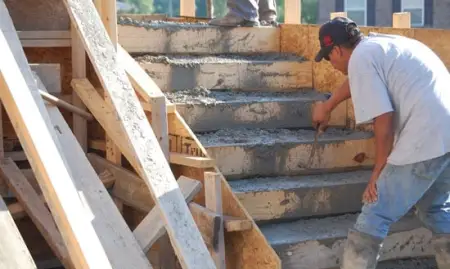
Once forms and reinforcement are complete, concrete is mixed and poured into the prepared area.
The concrete must be spread evenly and leveled carefully to achieve a smooth, consistent surface. Installers use specialized tools to shape, smooth, and finish the slab.
Depending on the desired appearance, finishing techniques may include broom finishes, stamped patterns, decorative textures, or stained surfaces.
Proper finishing not only improves aesthetics but also contributes to durability and slip resistance.
Curing and Sealing the Patio
After installation, the curing process begins. Concrete requires adequate time to harden and gain strength. Proper curing helps minimize cracking and supports long-term performance. Many homeowners underestimate the importance of curing, but it is one of the most critical stages of the installation process.
Sealing the patio is another important step. Sealers help protect the surface against moisture, stains, UV exposure, chemicals, and weather damage. Regular sealing can extend the lifespan and appearance of the patio. Working with experienced professionals such as Black Horse Construction can help ensure proper curing, sealing, and long-term concrete patio durability.
Common Installation Mistakes to Avoid
Several mistakes can affect patio performance and longevity.
Poor site preparation, inadequate drainage planning, improper concrete mixing, rushed curing, and insufficient reinforcement can all contribute to cracking, uneven surfaces, or premature deterioration.
Working with experienced professionals can help avoid these common problems and improve installation quality.
Maximizing the Value and Longevity of Your Concrete Patio
Regular Maintenance for Long-Lasting Performance
Once your concrete patio is installed, proper maintenance helps preserve its appearance and durability.
Regular cleaning is one of the easiest maintenance tasks. Dirt, leaves, spills, and debris should be removed routinely to keep the patio looking clean and prevent surface staining. Pressure washing can help remove accumulated grime when necessary.
Sealing remains an important maintenance practice. Over time, weather exposure, moisture, and UV rays can affect the patio surface. Periodic sealing helps protect against environmental wear. Minor cracks should be addressed promptly before they become larger structural issues.
Protecting Your Patio from Weather and Damage
Weather protection is another factor to consider. Freeze-thaw cycles, standing water, heavy impacts, and harsh chemicals can affect concrete performance. Proper drainage and surface care help reduce these risks.
Enhancing Outdoor Living and Property Appeal
Homeowners can also improve the value of their patio by enhancing the surrounding outdoor environment. Outdoor furniture, lighting systems, decorative planters, landscaping, pergolas, fire pits, and shade structures can help create a more inviting and functional outdoor living area.
A well-designed patio becomes more than a simple concrete surface — it becomes an extension of the home. Many homeowners who invest in outdoor upgrades also explore related projects such as concrete driveway installation to create a cohesive, durable, and visually appealing exterior space.
Benefits of Hiring Professional Concrete Installers
Many homeowners choose to hire professional concrete installers for better results. Professionals understand grading requirements, concrete behavior, reinforcement methods, finishing techniques, and local building practices. Professional installation can reduce costly mistakes and help ensure the patio remains durable and attractive for years to come.
Conclusion
Concrete patios provide an excellent way to transform outdoor living spaces into beautiful, functional, and durable environments. Their combination of strength, customization options, affordability, and low maintenance makes them a popular choice for homeowners.
From planning and site preparation to pouring, finishing, and long-term care, each stage of the installation process plays an important role in the final outcome.
By investing in quality installation and proper maintenance, homeowners can enjoy a patio that enhances comfort, outdoor usability, and property appeal.
If you are planning to upgrade your outdoor space with a new concrete patio, contact us today to learn how our professional team can help design and install a durable, customized patio that transforms your outdoor living area.
Frequently Asked Questions (FAQs)
How long does concrete patio installation take?
Most concrete patio projects take several days depending on the size, weather conditions, site preparation requirements, and curing process.
Is concrete a good material for outdoor patios?
Yes. Concrete is durable, versatile, affordable, and relatively low maintenance, making it a popular option for residential patios.
How do I maintain a concrete patio?
Regular cleaning, sealing, crack repair, and protecting the surface from stains and heavy impacts can help maintain a concrete patio.
Can concrete patios be customized?
Yes. Concrete patios can include decorative finishes such as stamped concrete, colored stains, textured surfaces, borders, and custom layouts.
Should I hire professionals for concrete patio installation?
Professional installers help ensure proper preparation, drainage planning, finishing quality, and long-term patio durability.