Introduction – Why Choose Concrete Driveways?
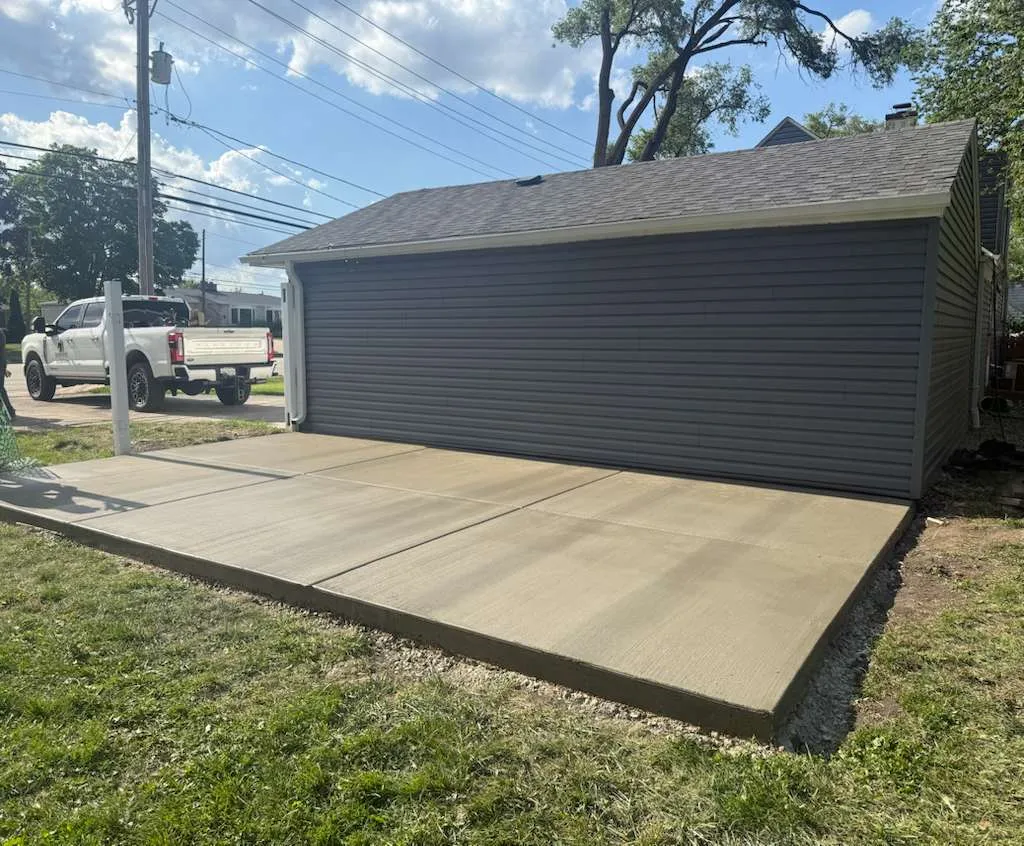
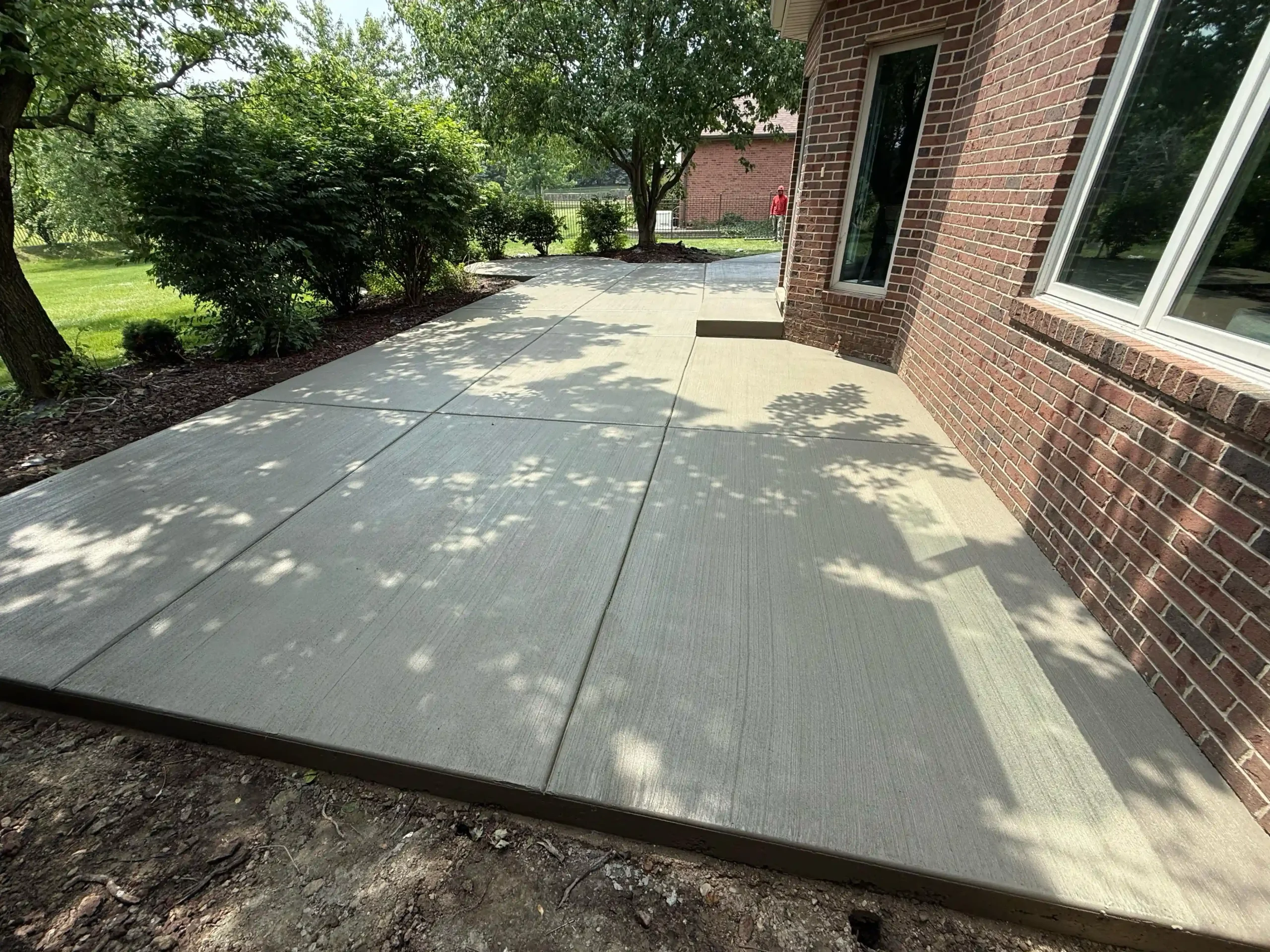
Concrete driveways have become a popular choice for homeowners due to their durability, strength, and clean appearance. Compared to materials like asphalt, gravel, or pavers, concrete offers a long-lasting solution that can withstand heavy loads and varying weather conditions. When installed correctly, a concrete driveway can last for decades with minimal maintenance.
In addition to durability, concrete provides versatility in design. Homeowners can choose from plain finishes to decorative options such as stamped or stained concrete, enhancing curb appeal. However, the key to achieving these benefits lies in proper installation. Poor workmanship or inadequate preparation can lead to cracks, uneven surfaces, and costly repairs.
This guide will walk you through everything you need to know about concrete driveway installation, ensuring long-term durability and performance.
Understanding Concrete Driveways
What is a Concrete Driveway?
A concrete driveway is a paved surface made from a mixture of cement, water, sand, and aggregates such as gravel or crushed stone. Once poured and cured, this mixture forms a solid, durable surface capable of supporting vehicles and resisting environmental stress.
Types of Concrete Driveways
Concrete driveways come in various styles to suit different preferences and budgets. Plain concrete is the most basic and cost-effective option, offering a simple yet functional surface. Stamped concrete mimics the appearance of materials like brick or stone, providing a decorative touch. Stained concrete adds color for a more customized look, while reinforced concrete incorporates steel bars or mesh for added strength and durability.
Benefits of Concrete Driveways for Long-Term Durability
High Strength and Load Capacity
Concrete is known for its exceptional strength, making it ideal for supporting heavy vehicles. Properly installed driveways can handle daily use without significant wear.
Weather Resistance
Concrete performs well in various weather conditions. It can withstand heat, rain, and cold temperatures, especially when sealed properly.
Low Maintenance Requirements
Unlike other materials, concrete requires minimal upkeep. Occasional cleaning and sealing are usually sufficient to maintain its condition.
Long Lifespan
With proper installation and maintenance, a concrete driveway can last 25 to 30 years or more, making it a cost-effective investment.
Enhanced Curb Appeal
Concrete driveways contribute to the overall appearance of a property. Decorative finishes can further enhance visual appeal and property value.
Planning Your Concrete Driveway Installation
Assessing Site Conditions
Before installation, it is important to evaluate the site. Factors such as soil condition, drainage, and slope can impact the driveway’s performance. Proper assessment, often guided by experts like Black Horse Construction, helps prevent future issues like cracking or water pooling.
Determining Driveway Size and Layout
The size and layout of the driveway should accommodate your needs, including parking space and vehicle access. Planning ensures efficient use of space and functionality.
Choosing the Right Concrete Mix
Selecting the appropriate concrete mix is crucial for durability. A mix with the right ratio of cement, aggregates, and water ensures strength and longevity.
Budget Planning and Cost Estimation
Setting a budget helps guide your decisions regarding materials, design, and labor. It is important to account for both initial costs and long-term maintenance.
Tools and Materials Required
Essential Tools
Installing a concrete driveway requires tools such as shovels, rakes, screeds, and a concrete mixer. These tools help prepare the site and ensure a smooth application.
Materials Needed
Key materials include cement, sand, gravel, and reinforcement components like rebar or wire mesh. These elements work together to create a strong and stable surface.
Safety Equipment
Safety gear such as gloves, boots, and goggles is essential to protect against injuries during the installation process.
Step-by-Step Concrete Driveway Installation Process
Step 1 – Site Preparation and Excavation
The first step involves clearing the area and excavating the ground to the required depth. This creates a stable foundation for the driveway.
Step 2 – Subgrade Preparation
The subgrade must be compacted and leveled to provide a solid base. Proper preparation prevents settling and cracking.
Step 3 – Installing Forms
Forms are placed along the edges to shape the driveway and hold the concrete in place during pouring.
Step 4 – Adding Reinforcement
Reinforcement materials such as rebar or wire mesh are added to increase strength and prevent cracking.
Step 5 – Mixing and Pouring Concrete
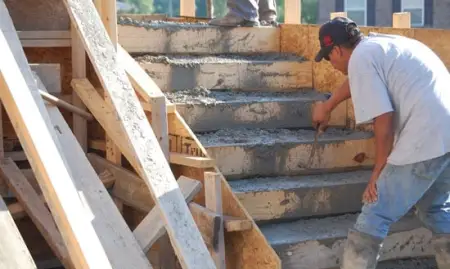
The concrete is mixed according to specifications and poured evenly into the prepared area. Proper mixing ensures consistency and durability.
Step 6 – Leveling and Finishing
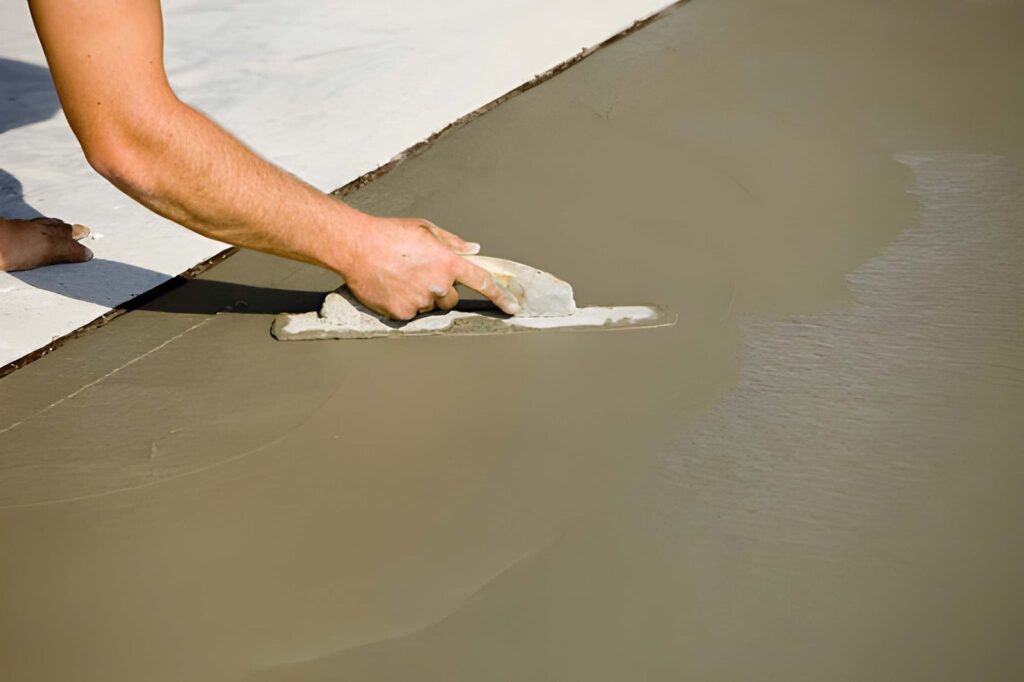
The surface is leveled using a screed and finished with tools to achieve the desired texture and appearance.
Step 7 – Curing the Concrete
Curing is a critical step that allows the concrete to gain strength. It involves maintaining moisture and temperature conditions for several days.
Step 8 – Sealing the Surface
Applying a sealant protects the driveway from moisture, stains, and environmental damage, enhancing longevity.
Common Mistakes to Avoid During Installation
Poor Site Preparation
Skipping proper site preparation can lead to uneven surfaces and structural issues.
Incorrect Concrete Mix Ratio
Using the wrong mix ratio affects the strength and durability of the concrete.
Skipping Reinforcement
Without reinforcement, the driveway is more prone to cracking under stress.
Improper Curing
Failing to cure the concrete properly can weaken the structure and reduce lifespan.
Lack of Expansion Joints
Expansion joints allow the concrete to expand and contract, preventing cracks caused by temperature changes.
Cost of Concrete Driveway Installation
Factors Affecting Cost
Several factors influence the cost, including driveway size, thickness, type of finish, and labor expenses.
Average Cost Estimates
On average, concrete driveway installation can range from moderate to high costs depending on the complexity of the project.
DIY vs Professional Installation Costs
DIY installation may reduce labor costs but requires time, skill, and proper equipment. Professional services ensure quality and durability, often making them a better long-term investment.
Maintenance Tips for Long-Term Durability
Regular Cleaning
Keeping the driveway clean prevents the buildup of dirt and stains, maintaining its appearance.
Sealing the Surface Periodically
Applying a sealant every few years protects against moisture and wear.
Repairing Cracks Early
Addressing small cracks promptly prevents them from expanding into larger issues.
Avoiding Heavy Loads
Limiting excessive weight on the driveway helps maintain its structural integrity.
When to Hire a Professional
Large or Complex Projects
For large driveways or intricate designs, professional expertise ensures proper execution.
Need for Decorative Finishes
Achieving decorative finishes like stamping or staining requires specialized skills.
Ensuring Compliance with Local Regulations
Professionals are familiar with local building codes and regulations, ensuring compliance.
Long-Term Durability Assurance
Hiring experts increases the likelihood of a durable and long-lasting driveway.
Environmental Considerations
Eco-Friendly Concrete Options
Sustainable materials and practices can reduce the environmental impact of concrete installation.
Proper Drainage Planning
Effective drainage systems prevent water accumulation and protect the surrounding environment.
Reducing Environmental Impact
Using recycled materials and minimizing waste contribute to environmentally responsible construction.
Benefits of Proper Installation
Increased Property Value
A well-installed driveway enhances property value and appeal.
Improved Safety
A smooth and stable surface reduces the risk of accidents.
Long-Term Cost Savings
Proper installation minimizes the need for frequent repairs, saving money over time.
Enhanced Aesthetic Appeal
A professionally installed driveway improves the overall look of your property.
Conclusion – Building a Durable Concrete Driveway
Installing a concrete driveway is a valuable investment that offers durability, functionality, and aesthetic appeal. By following the correct steps and using quality materials, you can ensure a long-lasting surface that withstands daily use and environmental conditions.
Whether you choose to undertake the project yourself or hire professionals, proper planning and execution are essential. A well-installed driveway not only enhances your property but also provides long-term cost savings and peace of mind.
Call Action: Ready to upgrade your property with a durable concrete driveway? Contact us today for expert installation services and get started on building a long-lasting solution.