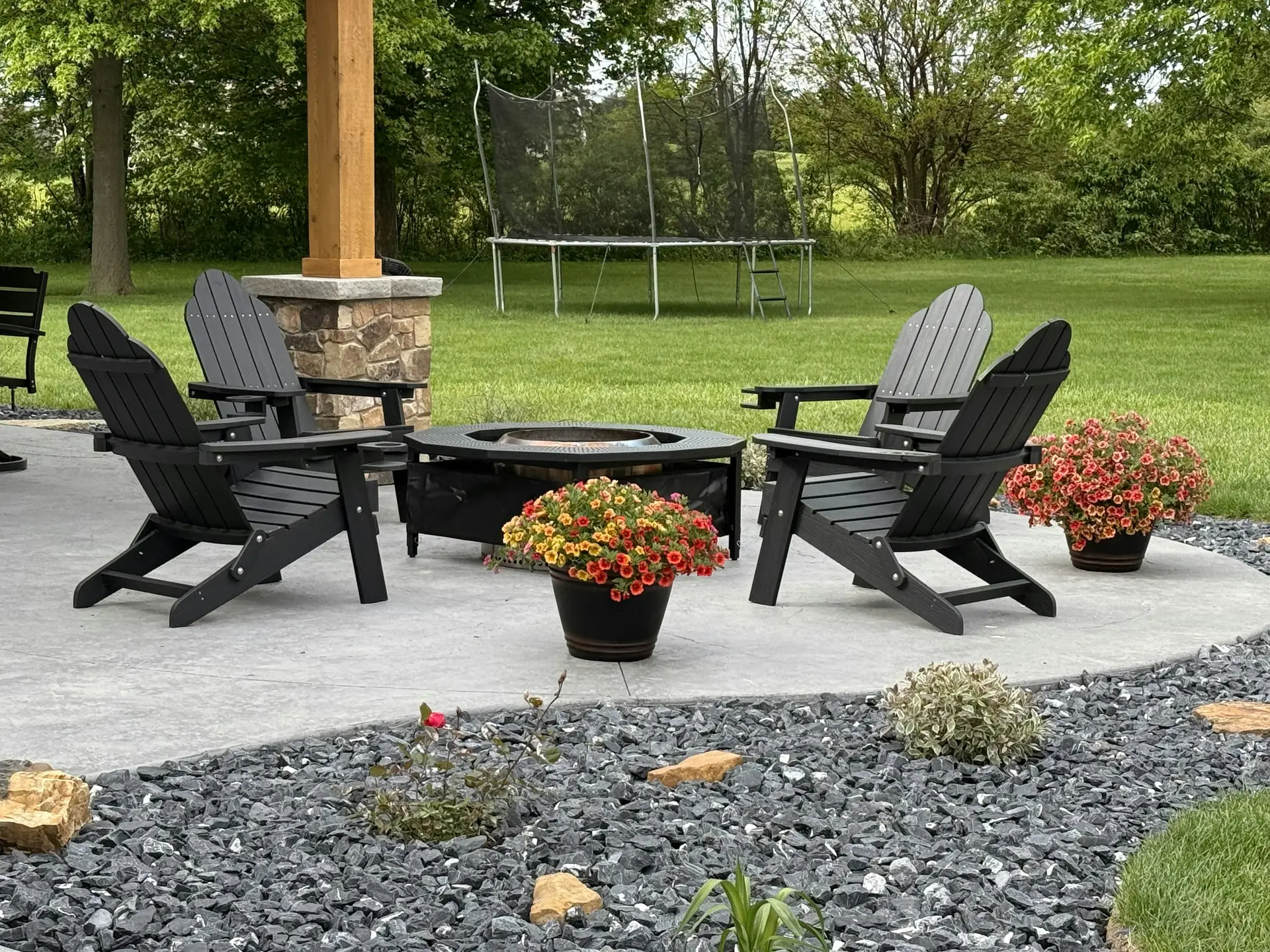
Outdoor living spaces have become one of the most valuable features of modern homes. Homeowners are investing more in functional and attractive outdoor areas where they can relax, entertain guests, and spend quality time with family. Among the many options available, concrete patios continue to stand out as one of the most durable, versatile, and cost-effective choices.
However, achieving a patio that looks beautiful and lasts for decades depends on more than simply pouring concrete. Professional concrete patio services ensure proper site preparation, quality materials, expert craftsmanship, and long-term performance.
Concrete patios remain one of the most practical outdoor improvements because they combine durability, design flexibility, and affordability. Whether you’re upgrading your backyard or creating a new outdoor entertainment area, concrete provides a solution that fits a wide range of home styles.
One of the primary reasons homeowners choose concrete patios is their exceptional lifespan. When installed correctly using quality materials, a concrete patio can last for several decades with minimal repairs.
Unlike wood, which can rot or warp, or pavers that may shift over time, concrete creates a stable surface capable of withstanding heavy foot traffic and changing weather conditions.
Concrete patios are resistant to:
This makes them suitable for both residential backyards and larger outdoor living spaces.
Many homeowners prefer outdoor features that require little upkeep, and concrete patios meet that expectation.
Routine maintenance generally includes:
Compared to wood decks that require regular staining or sealing, concrete patios are much easier to maintain.
Concrete offers excellent value compared to many premium patio materials. Natural stone patios often involve higher material and installation costs, while wood decks may require ongoing maintenance expenses throughout their lifespan. Concrete provides an attractive balance between affordability, durability, and customization, making it a smart long-term investment.
Modern concrete finishing techniques have transformed the appearance of concrete patios. Homeowners can choose from various finishes, including:
These options allow homeowners to create outdoor spaces that complement both traditional and contemporary architecture.
Outdoor design trends continue to evolve as homeowners seek functional spaces that reflect their lifestyle. In 2026, concrete patios are becoming more stylish while maintaining their practical benefits.
Stamped concrete continues to be one of the most requested patio designs. Using specialized patterns and textures, contractors can create concrete surfaces that resemble:
Stamped concrete provides the appearance of premium materials while offering strength and lower maintenance of concrete.
Minimalist architecture remains a popular design trend in 2026. Large-format concrete slabs create clean lines and spacious outdoor areas that complement modern homes. These larger sections reduce the number of visible joints and create a sleek, contemporary appearance.
Exposed aggregate patios continue gaining popularity because they combine beauty with functionality. This finish reveals decorative stones and aggregates within the concrete surface, creating a textured appearance that also improves slip resistance.
Exposed aggregate works especially well for:
Concrete no longer has to remain gray. Modern coloring techniques allow homeowners to choose warm earth tones, charcoal finishes, natural browns, or custom color combinations that match their home exterior. Textured finishes also add depth and visual interest while improving traction.
One of the biggest design trends for 2026 is creating a smooth transition between indoor and outdoor living areas. Many homeowners now extend interior flooring styles onto outdoor concrete patios, creating one continuous entertaining space. Large sliding doors, outdoor kitchens, fire features, and covered patios further strengthen this connection between indoor comfort and outdoor living.
Environmental awareness continues to influence construction choices. Many contractors now use sustainable concrete practices, including:
These practices help reduce environmental impact while maintaining high-quality results.
Every property has different functional needs and architectural styles. Professional concrete patio services offer a variety of design options that can be customized to match individual preferences.
Traditional patios remain popular because of their simple appearance and practical design. These patios provide clean, durable outdoor spaces suitable for dining areas, seating arrangements, or backyard recreation. Their straightforward construction also makes them one of the more budget-friendly options.
Modern homes often feature minimalist patio designs with smooth finishes, neutral colors, and clean geometric layouts. Minimalist patios focus on simplicity while creating elegant outdoor living spaces that complement modern architecture. Large concrete slabs, subtle textures, and integrated landscaping help achieve this refined appearance.
Decorative concrete patios allow homeowners to achieve a premium appearance without the cost of natural stone. Popular decorative features include:
These details create visually appealing patios that enhance curb appeal.
Properties with sloped landscapes often benefit from multi-level concrete patios. Separate levels can be designed for:
This layout improves functionality while creating a more dynamic outdoor environment.
Many homeowners now design patios specifically for entertaining guests. Professional patio services can incorporate features such as outdoor kitchens, built-in seating, pergolas, fireplaces, lighting systems, and dining areas. These additions transform a standard patio into a versatile outdoor living space.
Concrete remains one of the most popular materials for pool surrounds because of its durability and design flexibility. Slip-resistant finishes, decorative textures, and heat-reflective coatings help create safer and more comfortable poolside environments.
Hiring experienced professionals is one of the most important decisions when installing a concrete patio. While concrete may seem straightforward, a successful installation requires proper planning, quality materials, and skilled workmanship. Professional contractors follow a structured process that helps ensure your patio is durable, visually appealing, and built to last.
Every project begins with a consultation to understand the homeowner’s goals, budget, and design preferences. During the site assessment, contractors evaluate several factors, including:
This evaluation helps identify potential challenges before construction begins and ensures the patio is designed to suit the property’s layout.
Once the site has been assessed, the design phase begins. Professional contractors work with homeowners to create a patio that complements the style of the home while meeting practical needs.
Design planning includes selecting the patio shape, size, finish, color, and any additional features such as seating walls, fire pits, or walkways. A customized design ensures the patio enhances both the appearance and functionality of the outdoor space.
Proper site preparation is essential for preventing future issues such as cracking, uneven surfaces, or water pooling. The installation area is excavated and graded to create a stable foundation. Contractors also ensure the patio has the correct slope so rainwater drains away from the home instead of collecting on the surface. Skipping this step can significantly reduce the lifespan of the patio.
After the foundation is prepared, reinforcement materials are installed where needed, and the concrete is poured.
The concrete is carefully leveled and finished using techniques that match the chosen design. Depending on the project, the finish may be smooth, textured, stamped, exposed to aggregate, or colored. Attention to detail during this stage helps create a patio that is both attractive and durable.
After the concrete has cured properly, a protective sealer is applied to help resist moisture, stains, and weather damage.
The contractor then performs a final inspection to ensure the patio meets quality standards and the homeowner’s expectations before the project is completed.
The cost of installing a concrete patio varies depending on several factors. Understanding these variables helps homeowners plan their budgets and make informed decisions.
The overall size of the patio is one of the biggest cost factors. Larger patios require more materials, additional labor, and longer installation times. Complex layouts with curves or multiple sections may also increase construction costs compared to simple rectangular designs.
Basic concrete patios are generally more affordable, while decorative features add to the overall investment. Customization options may include:
Although these upgrades increase the initial cost, they also enhance the appearance and value of the finished patio.
Some properties require more preparation than others. Additional work may include:
The more preparation required, the higher the installation cost.
Labor costs vary depending on the contractor’s experience, project complexity, and local market conditions. Material prices may also fluctuate based on concrete quality, reinforcement requirements, and finishing products. Choosing experienced professionals may involve a higher upfront investment but often results in better workmanship and fewer repairs over time.
Many homeowners include extra features as part of their patio project. These additions may include:
While these features increase the total project cost, they also improve functionality and create a more enjoyable outdoor living space.
Selecting the right contractor is just as important as choosing the patio design itself. A skilled contractor helps ensure the project is completed safely, efficiently, and to a high standard.
Experienced contractors have the knowledge to manage different patio designs and site conditions. Ask to see examples of completed projects or a portfolio of previous work. This provides insight into their workmanship and design capabilities.
Online reviews and testimonials can provide valuable information about a contractor’s reliability, communication, and quality of work. Positive feedback from previous clients often indicates consistent service and customer satisfaction.
Always confirm that the contractor is properly licensed and insured. This protects both the homeowner and the contractor in the event of unexpected issues during the project.
Quality materials play a significant role in the durability of a concrete patio. Professional contractors should explain the materials they use, their installation process, and how they ensure long-lasting results.
Before work begins, ask for a written estimate that clearly outlines:
A detailed estimate helps avoid misunderstandings and allows homeowners to compare different contractors more effectively.
Although concrete patios require relatively little maintenance, regular care helps preserve their appearance and extend their lifespan.
Sweeping away dirt, leaves, and debris prevents surface buildup and helps maintain the patio’s appearance. Occasional washing with water and a mild cleaning solution removes stains and keeps the surface looking fresh.
Sealing the concrete every few years helps protect it from moisture, stains, UV exposure, and surface wear. This is especially important for decorative or stamped concrete patios.
Small cracks can become larger if left untreated. Repairing them early helps prevent moisture penetration and reduces the likelihood of more extensive damage.
Outdoor furniture, grills, and landscaping materials can sometimes stain concrete surfaces. Cleaning spills quickly and using protective pads under heavy furniture helps maintain the patio’s finish.
Each season brings different maintenance needs. During colder months, avoid using harsh de-icing chemicals that may damage the concrete surface. In warmer seasons, inspect the patio for signs of wear and reseal it if necessary.Regular maintenance helps keep the patio attractive and functional throughout the year.
Avoiding common installation mistakes can save homeowners time, money, and future repairs.
Low prices can sometimes mean lower-quality materials or poor workmanship. Instead of focusing only on cost, consider experience, reputation, and the quality of previous projects.
Poor drainage can lead to standing water, erosion, and premature concrete damage. A professionally designed drainage system protects both the patio and the surrounding landscape.
Reinforcement materials help strengthen the concrete and reduce the risk of cracking. Skipping this step may compromise the patio’s long-term durability.
Concrete needs sufficient time to cure before it can handle regular use. Using the patio too soon can weaken the surface and affect its long-term performance.
Even though concrete patios require minimal maintenance, ignoring routine care can shorten their lifespan. Regular cleaning, sealing, and inspections help preserve both appearance and structural integrity.
Concrete patios continue to be one of the best investments for homeowners looking to create attractive, functional, and durable outdoor living spaces. With modern design options, decorative finishes, and improved installation techniques, today’s concrete patios offer far more than simple utility—they enhance curb appeal, increase property value, and provide a comfortable space for entertaining and relaxation.
Choosing professional concrete patio services ensures every stage of the project, from planning and site preparation to finishing and sealing, is completed with precision and care. Contact us today to schedule a consultation and let our experienced team design and install the perfect patio for your home.
A professionally installed concrete patio can last 30 years or more with proper maintenance, regular cleaning, and periodic sealing.
The cost depends on the patio’s size, design, decorative finishes, site preparation, and labor. Custom features such as stamped concrete or outdoor kitchens may increase the overall price.
Yes. Stamped concrete offers the appearance of natural stone, brick, or slate at a lower cost while providing the durability and low maintenance of concrete.
Most concrete patios should be resealed every 2 to 3 years, depending on weather exposure, foot traffic, and the type of sealer used.
Yes. A well-designed and professionally installed concrete patio enhances outdoor living space, improves curb appeal, and can increase the overall value and attractiveness of your property.