
Creating a functional and visually appealing outdoor space is one of the most effective ways to enhance the comfort and value of your property. A well-designed patio serves as an extension of your home, providing a place to relax, entertain guests, and enjoy the outdoors. Among the various materials available, concrete has become a popular choice for patio installation due to its durability, versatility, and cost-effectiveness.
Whether you are planning a simple seating area or a fully customized outdoor living space, understanding the process of concrete patio installation can help you achieve long-lasting and satisfying results.
Concrete patio installation involves more than simply pouring a slab of concrete. It requires careful planning, proper material selection, and skilled execution to ensure the final result meets both functional and aesthetic expectations. By understanding the basics, homeowners can make informed decisions and create a patio that complements their lifestyle.
A concrete patio is a flat, outdoor surface made from a mixture of cement, sand, gravel, and water that hardens over time to form a solid and durable structure. It is typically installed in backyards, gardens, or outdoor living areas to provide a stable and low-maintenance surface for various activities, often using techniques similar to concrete sidewalk construction. Unlike wooden decks or stone patios, concrete offers a seamless and customizable solution that can be adapted to different styles and preferences.
Concrete patios are known for their strength and ability to withstand heavy use and changing weather conditions. They can be designed in a variety of shapes and sizes, making them suitable for both small and large outdoor spaces. With modern techniques, concrete can also mimic the appearance of natural stone, brick, or tile, allowing homeowners to achieve a high-end look without the associated cost.
One of the main reasons homeowners choose concrete patios is their durability. When properly installed and maintained, concrete can last for decades without significant wear or damage. This makes it a long-term investment that provides excellent value for money.
Another key advantage is low maintenance. Unlike other materials that may require frequent repairs or treatments, concrete patios are relatively easy to care for. Regular cleaning and occasional sealing are usually sufficient to keep the surface in good condition.
Concrete also offers a high level of design flexibility. It can be colored, stamped, or textured to match the overall style of your home and outdoor space. This versatility allows homeowners to create unique and personalized patios that reflect their taste and preferences.
Additionally, concrete patios are cost-effective compared to many other materials. They provide a balance between affordability and durability, making them an attractive option for homeowners looking to upgrade their outdoor areas without exceeding their budget.
The process of installing a concrete patio involves several important steps, each of which contributes to the overall quality and longevity of the finished surface. Proper execution at every stage ensures that the patio remains stable, functional, and visually appealing for years to come.
The first step in any concrete patio project is careful planning. This involves determining the size, shape, and location of the patio based on your needs and available space. It is important to consider factors such as drainage, sunlight exposure, and accessibility when designing the layout.
Once the design is finalized, the site must be prepared. This includes clearing the area of grass, debris, and any existing structures that may interfere with the installation. The ground is then leveled and graded to ensure proper drainage, which helps prevent water from pooling on the surface.
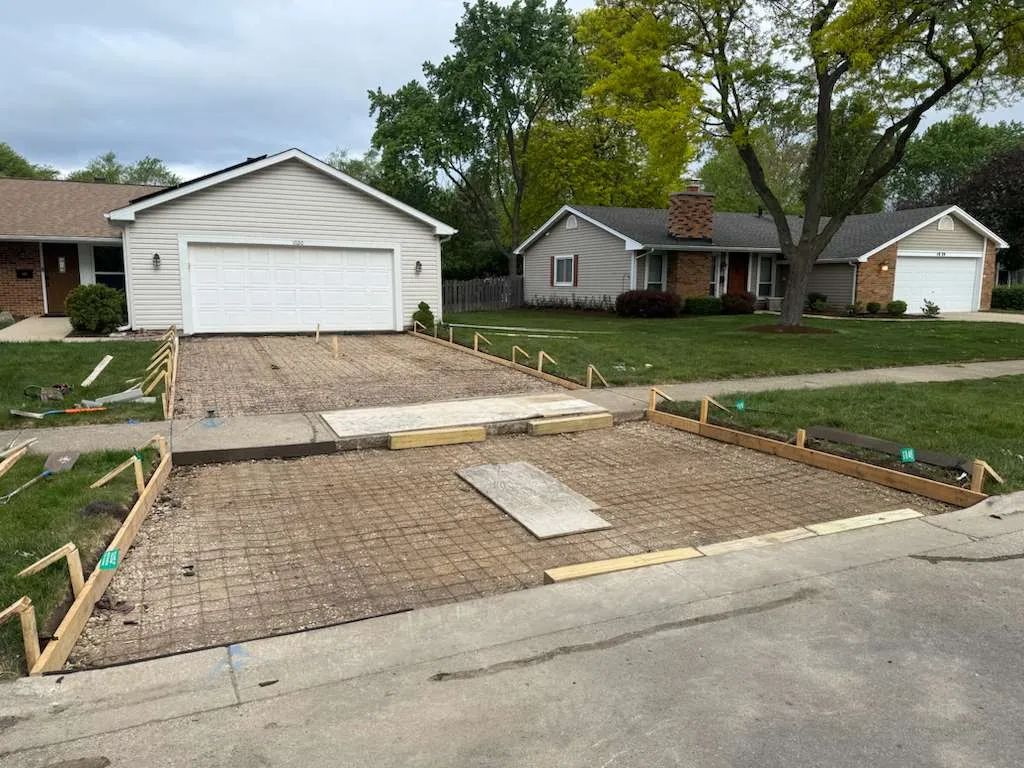
A strong foundation is essential for the stability of the patio. Typically, a layer of gravel or crushed stone is added and compacted to create a solid base. This base supports the concrete and reduces the risk of cracking or shifting over time.
Forms are then set up around the perimeter of the patio to define its shape and hold the concrete in place during pouring. These forms must be securely positioned to ensure accurate dimensions and a clean finish.
After the site is prepared, the concrete is mixed and poured into the forms. The mixture must have the right consistency to ensure proper bonding and strength. Once poured, the concrete is spread evenly across the surface and leveled using specialized tools.
Finishing is a critical step that determines the final appearance and texture of the patio. Depending on the desired look, the surface can be smoothed, brushed, or patterned. A brushed finish is often used to create a slightly rough texture that improves traction and reduces the risk of slipping.
Control joints are added to the concrete to allow for natural expansion and contraction caused by temperature changes. These joints help prevent cracks and maintain the integrity of the patio over time, a practice commonly followed by professionals like Black Horse Construction.
Curing is the final stage of the installation process. During this period, the concrete gradually hardens and gains strength. Proper curing, as emphasized by Black Horse Construction, is essential to ensure durability and prevent defects. It typically involves keeping the surface moist and protected for several days, allowing the concrete to set properly before it is used.
Concrete patios are highly versatile and can be customized to suit a wide range of styles and preferences. In addition to design options, proper maintenance plays a key role in preserving the appearance and functionality of the patio.
One of the most appealing aspects of concrete patios is the ability to customize their appearance. Modern techniques allow homeowners to transform plain concrete into a visually striking feature. Stamped concrete, for example, can replicate the look of natural stone, brick, or wood, adding texture and depth to the surface.
Coloring is another popular option that enhances the overall design. Concrete can be tinted with pigments to achieve a variety of shades, from earthy tones to more vibrant colors. This allows homeowners to coordinate the patio with the surrounding landscape and architectural elements.
Textured finishes can also be applied to improve both aesthetics and functionality. Patterns, borders, and decorative elements can be incorporated to create a unique and personalized outdoor space. These design options make it possible to achieve a high-end look without the need for expensive materials.
Maintaining a concrete patio is relatively straightforward, but it is essential for ensuring long-term performance. Regular cleaning helps remove dirt, stains, and debris that can accumulate over time. This not only keeps the patio looking clean but also prevents damage caused by buildup.
Sealing the concrete is another important maintenance step. A quality sealer protects the surface from moisture, stains, and wear, extending the lifespan of the patio. It also enhances the color and finish, keeping the patio looking fresh and vibrant.
Over time, minor cracks or imperfections may develop due to natural wear and environmental factors. Addressing these issues promptly can prevent them from worsening and reduce the need for costly repairs. Simple repairs, such as filling cracks or resurfacing, can restore the appearance and functionality of the patio.
By following proper maintenance practices, homeowners can ensure that their concrete patio remains a durable and attractive feature of their outdoor space for many years.
Concrete patio installation is an excellent way to transform your outdoor living space into a functional and visually appealing area. With its durability, versatility, and cost-effectiveness, concrete offers a reliable solution for creating patios that can withstand the test of time. From careful planning and site preparation to proper pouring, finishing, and curing, every step in the installation process plays a crucial role in achieving a high-quality result.
In addition to installation, the ability to customize the design allows homeowners to create unique patios that reflect their personal style. Combined with regular maintenance, these features ensure that the patio remains a valuable and enjoyable part of the property.
Ultimately, investing in a concrete patio is a practical decision that enhances both the usability and value of your home. By understanding the process and working with experienced professionals, you can create an outdoor space that meets your needs and provides lasting satisfaction. If you’re ready to upgrade your outdoor living space, contact us today to get expert guidance and start your concrete patio project.
The installation process usually takes a few days, depending on the size and complexity of the project. However, additional time is required for curing before the patio can be fully used.
With proper installation and maintenance, a concrete patio can last 25 to 30 years or even longer, making it a long-term investment.
Yes, regular cleaning and occasional sealing are recommended to maintain the appearance and durability of the patio.
Absolutely. Concrete patios can be customized with various colors, patterns, and textures to match your design preferences.
While it is possible to install a patio yourself, professional installation ensures proper preparation, drainage, and finishing, resulting in a more durable and high-quality outcome.