
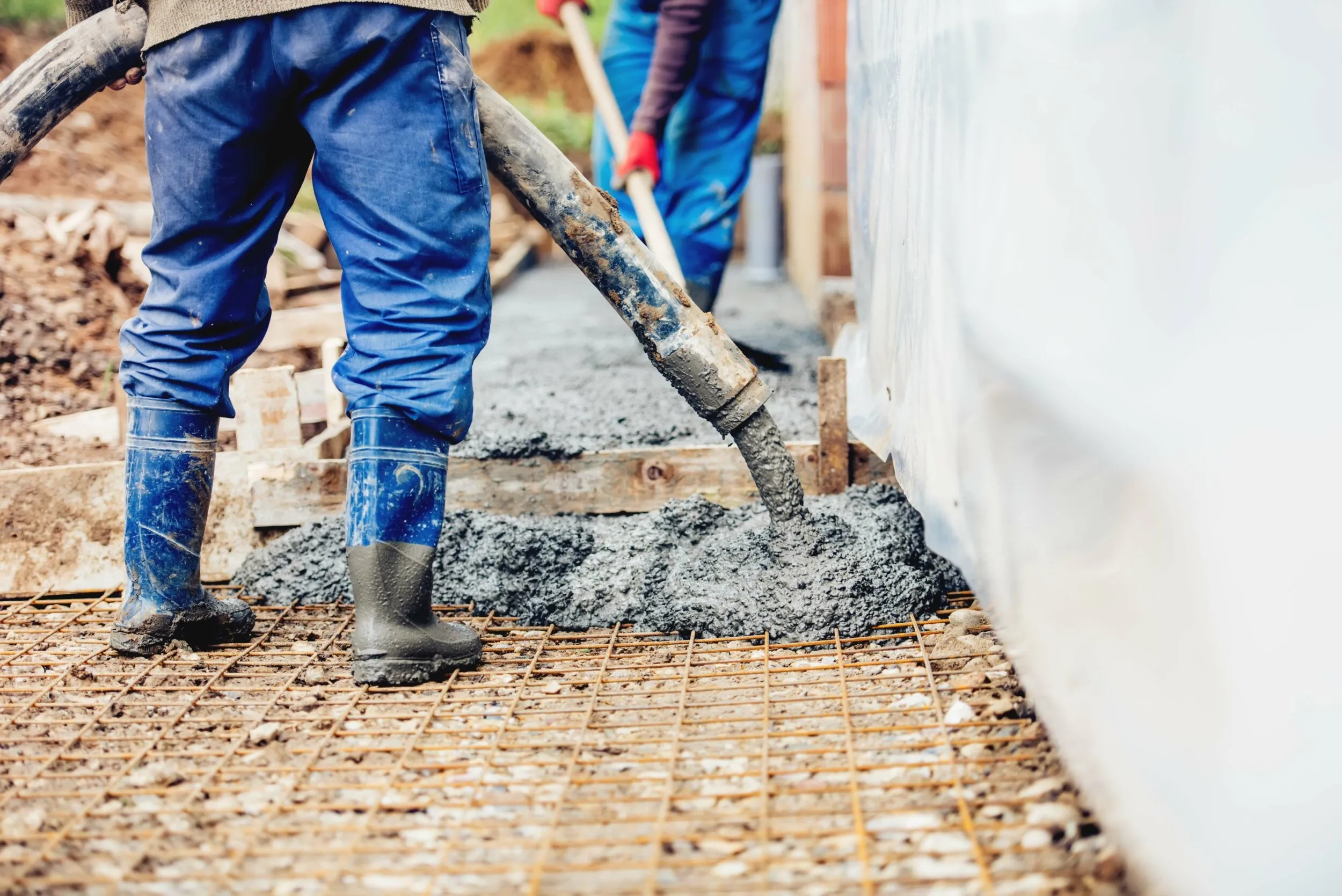
Concrete sidewalks are an essential part of both residential and commercial properties, providing safe and durable pathways for pedestrians. Whether it is a small walkway leading to a home or an extensive network of sidewalks in a commercial area, proper installation plays a crucial role in ensuring safety, longevity, and visual appeal.
A well-constructed concrete sidewalk not only enhances accessibility but also contributes to the overall value of a property. Understanding the process, materials, and maintenance involved in sidewalk installation can help property owners make informed decisions and achieve long-lasting results.
Concrete sidewalk installation is a structured process that involves careful planning, proper material selection, and skilled execution. It is not simply about pouring concrete; it requires attention to detail at every stage to ensure the final product is safe, functional, and aesthetically pleasing.
Concrete sidewalk installation refers to the process of designing and constructing walkways using a concrete mixture that is poured, shaped, and cured to form a solid surface. This process typically begins with planning and measuring the area where the sidewalk will be installed. Contractors consider factors such as width, thickness, slope, and intended usage to determine the appropriate design.
Once the planning phase is complete, the site is prepared, and forms are set up to define the shape and boundaries of the sidewalk. Concrete is then mixed and poured into the prepared area, often following similar principles used in concrete foundation installation, followed by leveling and finishing to create a smooth surface. After the concrete is set, it undergoes a curing process that strengthens the material and ensures durability.
The result is a sturdy and reliable walkway that can withstand daily use, weather conditions, and the passage of time. Proper installation is essential to prevent issues such as cracking, uneven surfaces, and drainage problems.
Safety is one of the primary reasons for installing concrete sidewalks. Uneven or poorly constructed walkways can pose significant hazards, leading to trips, falls, and injuries. A properly installed sidewalk provides a stable and level surface that reduces these risks and ensures safe movement for pedestrians.
In addition to safety, well-built sidewalks improve accessibility. They make it easier for individuals of all ages and abilities to navigate a property, including those using wheelchairs, strollers, or mobility aids. This is particularly important in public and commercial spaces, where accessibility standards must be met.
Another key benefit is the enhancement of property value. A clean, well-maintained sidewalk adds to the visual appeal of a property, creating a positive first impression. It reflects attention to detail and contributes to the overall aesthetics of the surroundings. Whether for a home or a business, investing in a high-quality sidewalk can yield long-term benefits.
The installation of a concrete sidewalk involves several critical steps, each of which contributes to the overall quality and durability of the finished product. Skipping or improperly executing any of these steps can lead to problems in the future.
The first step in sidewalk installation is site preparation and planning. This involves clearing the area of any debris, vegetation, or obstacles that may interfere with the construction process. The ground is then leveled and graded to ensure proper drainage, which is essential for preventing water accumulation and damage.
Accurate measurements are taken to determine the dimensions of the sidewalk, including its width and thickness. Forms, usually made of wood or metal, are set up along the edges to hold the concrete in place during pouring. These forms also help define the shape and alignment of the walkway.
A solid base is crucial for the stability of the sidewalk. In many cases, a layer of gravel or crushed stone is added and compacted to create a firm foundation. This base helps distribute weight evenly and reduces the risk of settling or shifting over time.
Proper planning at this stage ensures that the sidewalk will be structurally sound and capable of handling environmental and usage demands.
Once the site is prepared, the next step is pouring the concrete. The concrete mixture is carefully prepared to achieve the right consistency and strength. It is then poured into the forms and spread evenly across the surface.
After pouring, the concrete is leveled using specialized tools to ensure a smooth and even surface. This step is crucial for both safety and aesthetics, as uneven surfaces can lead to tripping hazards and an unprofessional appearance.
Finishing techniques are applied to enhance the surface of the concrete. This may include smoothing, texturing, or adding patterns, depending on the desired look. For sidewalks, a slightly textured finish is often preferred to provide better traction and reduce the risk of slipping.
Control joints are also added at regular intervals to allow the concrete to expand and contract with temperature changes. These joints help prevent cracking and maintain the integrity of the sidewalk over time.
Once the finishing is complete, the concrete is left to cure. Proper curing is essential for achieving maximum strength and durability, and it typically involves keeping the surface moist and protected for a specified period.
The durability and performance of a concrete sidewalk depend on several factors, including the quality of materials used and the conditions under which the installation takes place.
The quality of the concrete mix plays a significant role in determining the strength and longevity of the sidewalk. A well-balanced mix with the right proportions of cement, sand, gravel, and water ensures optimal performance. Using high-quality materials, as emphasized by experienced contractors like Black Horse Construction, reduces the likelihood of cracks, erosion, and other forms of damage.
Weather conditions during installation also have a major impact. Extreme temperatures, whether too hot or too cold, can affect the curing process and the final strength of the concrete. For example, hot weather can cause the concrete to dry too quickly, leading to cracks, while cold weather can slow down the curing process and weaken the structure.
Contractors often take precautions to address these challenges, such as adjusting the mix, using protective coverings, or scheduling the installation during favorable weather conditions. These measures help ensure that the sidewalk achieves the desired level of durability.
Even the best-installed sidewalks require regular maintenance to remain in good condition. Over time, exposure to weather, foot traffic, and environmental factors can lead to wear and tear. Routine maintenance helps address these issues and extends the lifespan of the sidewalk.
Cleaning the surface regularly prevents the buildup of dirt, stains, and debris. Sealing the concrete provides an additional layer of protection against moisture and damage. It also enhances the appearance of the sidewalk by maintaining its color and finish.
In cases where cracks or minor damage occur, timely repairs are essential. Small cracks can often be filled and sealed to prevent them from spreading. Ignoring these issues can lead to more significant damage, requiring costly repairs or replacement.
By investing in proper maintenance, property owners can ensure that their sidewalks remain safe, functional, and visually appealing for many years.
Concrete sidewalk installation is a vital aspect of creating safe and durable walkways for both residential and commercial properties. From initial planning and site preparation to pouring, finishing, and curing, every step in the process plays a crucial role in determining the quality and longevity of the sidewalk. A well-installed sidewalk not only enhances safety and accessibility but also adds value and visual appeal to a property.
In addition to proper installation, factors such as material quality, weather conditions, and ongoing maintenance significantly influence the performance of the sidewalk. By paying attention to these elements and working with experienced professionals, property owners can achieve long-lasting results that meet both functional and aesthetic needs.
Ultimately, investing in a high-quality concrete sidewalk is a practical and worthwhile decision. It ensures a safe and reliable pathway for pedestrians while contributing to the overall integrity and attractiveness of the property. If you’re ready to upgrade your walkways or start a new project, contact us today to discuss your needs and get expert guidance tailored to your property.
The duration of the installation process depends on the size and complexity of the project. In most cases, the actual installation can be completed within a day or two, but additional time is required for curing to ensure the concrete reaches its full strength.
A properly installed and well-maintained concrete sidewalk can last anywhere from 20 to 30 years or even longer. Factors such as usage, weather conditions, and maintenance practices can influence its lifespan.
Yes, regular maintenance is essential to keep sidewalks in good condition. This includes cleaning, sealing, and addressing any cracks or damage promptly to prevent further deterioration.
Minor cracks and surface damage can often be repaired using appropriate techniques and materials. However, severe damage or structural issues may require partial or complete replacement.
While it is possible to install a sidewalk as a DIY project, professional installation is highly recommended. Experienced contractors have the knowledge, tools, and expertise to ensure proper preparation, pouring, and finishing, resulting in a more durable and reliable walkway.