Why a Strong Foundation Matters
A strong foundation is the backbone of any structure, whether it is a residential home, commercial building, or industrial facility. It serves as the base that supports the entire load of the structure, ensuring stability and preventing uneven settling over time. Without a properly constructed foundation, even the most well-designed buildings can experience structural issues, including cracks, shifting walls, and water damage.
In modern construction, concrete foundations are widely preferred due to their strength, durability, and resistance to environmental factors. However, the quality of a foundation is not determined solely by the material used—it heavily depends on proper installation techniques. From site preparation to curing, each step plays a critical role in ensuring long-term durability. Understanding this process helps property owners make informed decisions and avoid costly mistakes in the future.
What is a Concrete Foundation?
Definition and Purpose
A concrete foundation is a structural base made from a mixture of cement, sand, aggregates, and water, designed to support and stabilize a building. Its primary function is to transfer the weight of the structure evenly to the ground below, preventing stress concentration that could lead to cracks or failure. Additionally, it provides a level surface for construction and acts as a barrier against moisture and environmental elements.
Beyond load bearing, a well-constructed foundation also enhances the building’s resilience against natural forces such as soil movement, temperature changes, and water infiltration. This makes it a crucial element in ensuring both safety and longevity.
Types of Concrete Foundations
There are several types of concrete foundations, each suited to different environmental conditions and construction requirements. Slab-on-grade foundations are commonly used in warmer climates where ground freezing is not a concern. They are cost-effective and quick to install, making them a popular choice for residential properties.
Crawl space foundations elevate the structure slightly above ground level, allowing access to plumbing and electrical systems. This design is beneficial in areas prone to moisture, as it helps prevent water damage. Basement foundations provide additional usable space and are ideal for colder regions where deeper foundations are required to avoid frost heave. Pier and beam foundations, on the other hand, are often used in areas with unstable soil, as they distribute the load through vertical supports.
Benefits of Concrete Foundations
Strength and Durability
Concrete is known for its exceptional compressive strength, making it capable of supporting heavy loads without deformation. This strength ensures that the building remains stable over time, even under challenging conditions. Additionally, reinforced concrete further enhances durability by reducing the risk of cracks and structural damage.
Resistance to Moisture and Pests
Unlike wood-based foundations, concrete is highly resistant to moisture and does not provide a conducive environment for pests such as termites. When combined with proper waterproofing techniques, it creates a strong barrier against water intrusion, protecting the building from mold and structural deterioration.
Long Lifespan
A well-installed concrete foundation can last for decades with minimal maintenance. Its durability makes it a cost-effective investment, as it reduces the need for frequent repairs or replacements.
Low Maintenance Requirements
Concrete foundations require minimal upkeep compared to other materials. Routine inspections and occasional repairs are usually sufficient to maintain their integrity, making them a practical choice for property owners.
Energy Efficiency
Certain types of concrete foundations, such as insulated concrete forms, contribute to improved energy efficiency by reducing heat loss. This helps maintain indoor temperature and lowers energy costs over time.
Planning for Foundation Installation
Site Evaluation and Soil Testing
Before beginning the installation process, it is essential to conduct a thorough site evaluation and soil testing. The type and condition of the soil play a significant role in determining the foundation design. Stable soil provides a solid base, while clay or loose soil may require additional preparation to prevent shifting.
Soil testing also helps identify potential issues such as poor drainage or high moisture content, allowing contractors to implement appropriate solutions in advance. This step is critical in preventing future structural problems.
Choosing the Right Foundation Type
Selecting the appropriate foundation type depends on several factors, including climate, soil conditions, and building design. For instance, areas with freezing temperatures may require deeper foundations, while regions with high water tables may benefit from elevated designs.
Consulting with experienced professionals ensures that the chosen foundation type aligns with the project requirements and local conditions.
Obtaining Permits and Approvals
Construction projects must comply with local building codes and regulations. Obtaining the necessary permits and approvals ensures that the foundation meets safety standards and avoids legal complications.
Budget Planning and Cost Estimation
Proper budgeting is essential for managing construction costs effectively. This includes estimating expenses for materials, labor, equipment, and additional requirements such as excavation and drainage systems. A well-planned budget helps prevent unexpected financial challenges during the project.
Tools and Materials Required
Essential Tools
Concrete foundation installation requires a range of tools to ensure precision and efficiency. Excavation equipment is used to prepare the site, while concrete mixers help achieve the correct consistency. Leveling tools ensure that the surface is even, which is crucial for structural stability.
Materials Needed
The primary materials include cement, sand, aggregates, and water. Reinforcement materials such as steel rebar or wire mesh are added to increase strength and prevent cracking. Formwork materials are used to shape the concrete during pouring, ensuring accurate dimensions; a process often handled with precision by experts like Black Horse Construction.
Safety Equipment
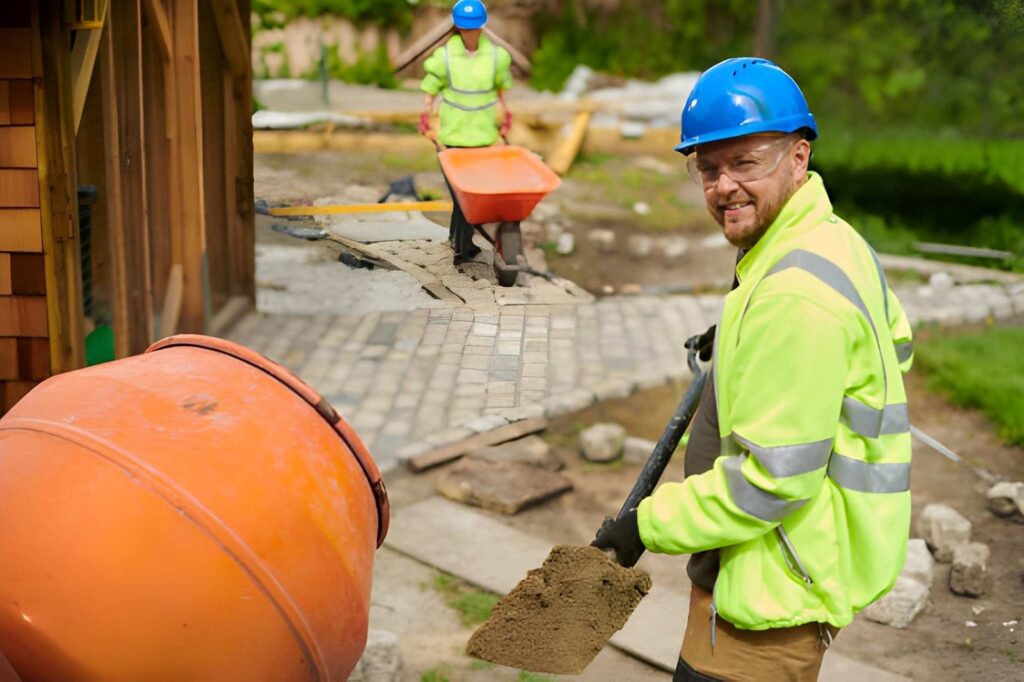
Safety is a top priority on any construction site. Workers must use protective gear such as gloves, helmets, boots, and goggles to minimize the risk of injuries.
Step-by-Step Concrete Foundation Installation Process
Step 1 – Site Preparation and Excavation
The first step involves clearing the site of debris, vegetation, and obstacles. Excavation is then carried out to create space for the foundation, ensuring the correct depth and dimensions. Proper site preparation sets the stage for a stable foundation.
Step 2 – Soil Compaction and Base Preparation
Once excavation is complete, the soil is compacted to create a firm base. A layer of gravel or crushed stone is often added to improve drainage and prevent shifting. This step is crucial in ensuring long-term stability.
Step 3 – Installing Formwork
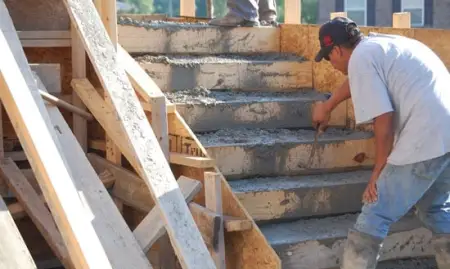
Formwork is installed to define the shape and boundaries of the foundation. It acts as a mold that holds the concrete in place during pouring. Properly constructed formwork ensures accurate dimensions and prevents leakage.
Step 4 – Placing Reinforcement
Reinforcement materials such as steel rebar are placed within the formwork to enhance the strength of the concrete. This helps prevent cracks and improves the foundation’s ability to withstand stress.
Step 5 – Pouring Concrete
Concrete is mixed according to specifications and poured into the formwork. Care is taken to distribute it evenly and eliminate air pockets, which could weaken the structure.
Step 6 – Leveling and Finishing
The surface is leveled and smoothed using specialized tools. This ensures a uniform finish and prepares the foundation for the next stages of construction.
Step 7 – Curing the Concrete
Curing is a critical process that allows the concrete to gain strength. It involves maintaining proper moisture and temperature conditions for several days, ensuring optimal performance.
Step 8 – Waterproofing and Drainage Setup
After curing, waterproofing measures are applied to protect the foundation from moisture. Drainage systems are also installed to prevent water accumulation around the structure.
Common Mistakes to Avoid
Poor Soil Preparation
Failing to prepare the soil properly can lead to uneven settling and structural issues over time. Proper compaction and base preparation are essential.
Incorrect Concrete Mix
Using an improper mix ratio can compromise the strength and durability of the foundation, leading to cracks and failure.
Inadequate Reinforcement
Insufficient reinforcement reduces the foundation’s ability to withstand stress, increasing the risk of damage.
Improper Curing
Skipping or rushing the curing process weakens the concrete and reduces its lifespan significantly.
Ignoring Drainage Systems
Poor drainage can cause water accumulation, leading to erosion and structural instability.
Cost of Concrete Foundation Installation
Factors Affecting Cost
The cost of installation depends on factors such as foundation type, soil conditions, and labor expenses. Additional requirements like waterproofing and drainage systems can also impact the overall cost.
Average Cost Estimates
Costs can vary widely based on the project size and complexity. Larger or more complex foundations typically require higher investment.
DIY vs Professional Installation
While DIY installation may reduce initial costs, it requires expertise and equipment. Professional installation ensures quality, safety, and compliance with regulations.
Maintenance Tips for Long-Term Performance
Regular Inspections
Routine inspections help identify potential issues early, allowing for timely repairs and preventing costly damage.
Addressing Cracks Early
Small cracks should be repaired promptly to prevent them from expanding and compromising the structure.
Ensuring Proper Drainage
Maintaining effective drainage systems protects the foundation from water damage and erosion.
Waterproofing Maintenance
Regular maintenance of waterproofing measures ensures long-term protection against moisture.
When to Hire Experts
Complex Soil Conditions
Challenging soil conditions require specialized knowledge and techniques to ensure stability.
Large Construction Projects
Large-scale projects benefit from professional expertise to maintain accuracy and efficiency.
Compliance with Building Codes
Experts ensure that the foundation meets all regulatory requirements, avoiding legal issues.
Ensuring Structural Integrity
Professional installation guarantees a strong and reliable foundation that supports the building effectively.
Conclusion – Building a Strong Foundation for the Future
Concrete foundation installation is a critical process that requires careful planning, precise execution, and attention to detail. From site evaluation to curing and waterproofing, every step contributes to the overall strength and durability of the structure.
Investing in a well-constructed foundation not only ensures safety but also enhances the longevity and value of the property. By following expert guidelines and avoiding common mistakes, property owners can achieve a reliable and long-lasting foundation.
If you’re planning a construction project, contact us today to get expert guidance and professional concrete foundation installation services tailored to your needs.